Canada’s Spring Economic Update: Key Announcements for April 28
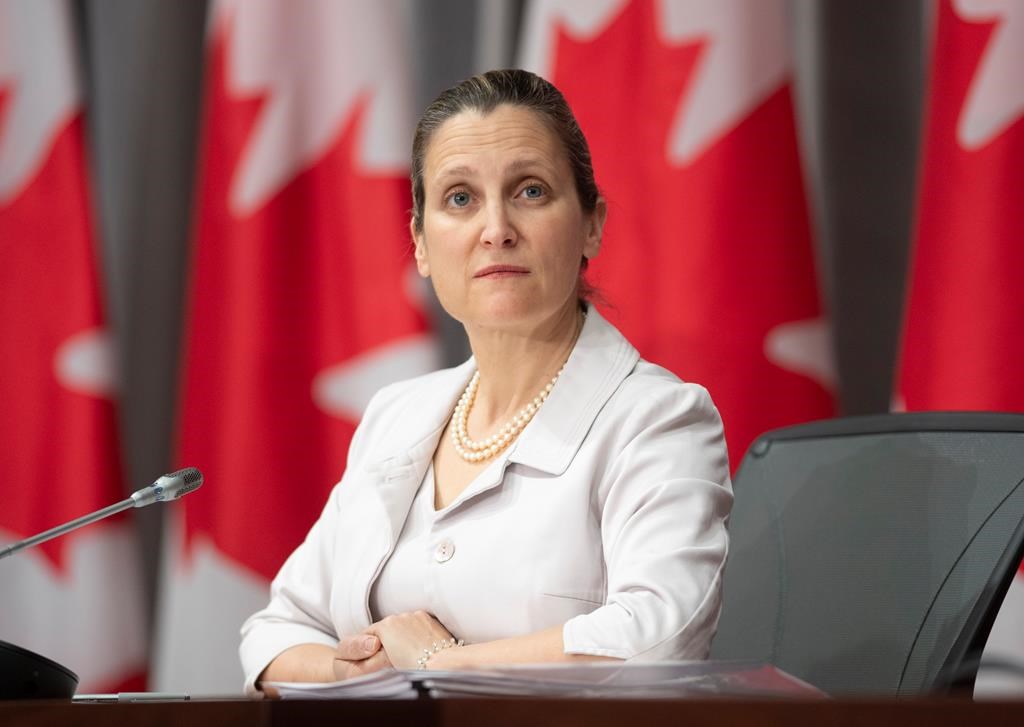
All eyes are on Ottawa as Canada’s Deputy Prime Minister and Finance Minister, Chrystia Freeland, prepares to deliver the federal government’s 2025 Spring Economic Update on April 28. This highly anticipated fiscal snapshot arrives at a critical juncture for the Canadian economy, balancing persistent affordability concerns with the need for fiscal restraint. While not a full federal budget, this update will provide crucial insights into the government’s financial health and its policy priorities heading into the latter half of the year.
Navigating Economic Crossroads: The Context for the Update
The economic landscape facing Minister Freeland is complex and multifaceted. Canadians continue to grapple with high living costs, particularly in groceries and housing, while the Bank of Canada maintains a cautious stance on interest rates. Simultaneously, the government has pledged to rein in spending and avoid fueling inflation, creating a delicate balancing act. This update will serve as a report card on Canada’s fiscal trajectory and a signal of how the Liberal government intends to address these competing pressures.
Key areas of focus will undoubtedly include:
- Deficit and Debt Projections: An updated look at the federal deficit and the national debt-to-GDP ratio.
- Economic Growth Forecasts: Revised projections for GDP growth in light of global and domestic economic conditions.
- Affordability Measures: Potential new or extended supports aimed at easing the cost-of-living crunch.
- Housing Strategy: Further details or funding announcements related to the government’s ambitious housing plan.
- Productivity and Investment: Policies intended to boost business investment and economic productivity.
Anticipated Key Announcements and Policy Levers
While the full details remain under wraps until April 28, speculation and reporting point to several potential announcements. The government is expected to use this update to double down on its core commitments while demonstrating fiscal responsibility.
1. Reinforcing the Housing Accelerator and Affordability
Housing is expected to be a centerpiece of the update. The government will likely provide progress reports on its Housing Accelerator Fund agreements with municipalities and may announce new rounds of funding or policy tweaks designed to accelerate construction. Look for potential measures targeting rental housing supply and initiatives to help first-time home buyers, though major new spending may be tempered by the deficit focus.
2. Extending and Targeting Affordability Support
With inflation still a concern, the update may include extensions or modifications to existing support programs. This could involve the Grocery Rebate or other targeted benefit top-ups for low- and middle-income Canadians. The government is expected to emphasize “fiscal guardrails,” meaning any new spending will likely be offset by savings or revenue measures elsewhere to avoid adding inflationary pressure.
3. A Focus on Economic Growth and Productivity
Expect a significant portion of the update to address long-term economic competitiveness. This could involve:
- Details on clean energy investment tax credits to attract capital in the net-zero transition.
- Measures to boost research, development, and adoption of artificial intelligence.
- Initiatives aimed at improving regulatory efficiency for major projects.
The goal will be to outline a plan for fostering private-sector-led growth without large new direct expenditures.
4. The Fiscal Framework: Deficit and Debt Outlook
Perhaps the most scrutinized element will be the updated fiscal framework. The Fall Economic Statement projected a deficit of $38.4 billion for 2024-25. Markets and opposition parties will closely watch whether this projection holds or changes due to slower economic growth or new policy decisions. The government’s commitment to lowering the debt-to-GDP ratio over the medium term will be a key benchmark of its fiscal credibility.
What This Means for Canadians and Businesses
The Spring Economic Update is more than a set of numbers; it’s a policy directive that will have tangible impacts.
- For Canadian Households: The update will signal whether immediate cost-of-living relief is on the horizon or if the government’s focus has shifted squarely to long-term economic fixes. The tone on housing will be particularly telling for renters and prospective buyers.
- For Canadian Businesses: The emphasis on productivity and investment will be critical. Clarity on investment tax credits and regulatory changes can help businesses plan long-term capital investments. The overall fiscal health of the government also impacts economic confidence and borrowing costs.
- For Markets and Economists: The update will be analyzed for its credibility and its impact on Canada’s triple-A credit rating. A plan perceived as fiscally irresponsible could lead to market volatility and higher interest costs for the government and, by extension, the economy.
The Political Stakes and the Road Ahead
Delivered by a Finance Minister who is also the Deputy Prime Minister, this update carries significant political weight. With the government trailing in the polls and an election mandated by October 2025, this is an opportunity to reset the economic narrative. The Liberals will aim to project an image of competent economic management—being responsive to affordability pains while steering the country toward sustainable growth.
Opposition parties will dissect the update, likely criticizing any new spending as inflationary or any lack of new support as out of touch. The government’s challenge is to craft a message that demonstrates empathy without exacerbating the very economic problems it seeks to solve.
In essence, the April 28 update is a pivotal moment. It will set the fiscal and policy tone for the next year, influencing everything from interest rate decisions to business investment plans and household budgets. By balancing the urgent need for affordability with a credible path to fiscal sustainability, the government hopes to stabilize its political fortunes and provide a clear direction for Canada’s economy in uncertain times. All will be revealed when Minister Freeland rises in the House of Commons.