
Trump Sends Kushner, Witkoff to Pakistan for Iran Talks
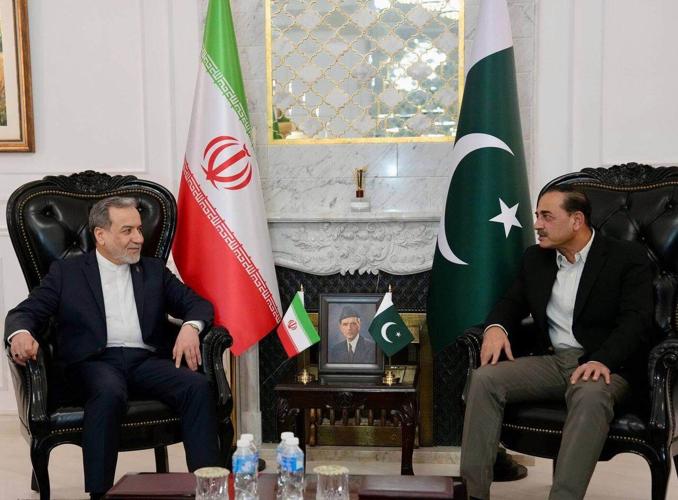
In a bold and unexpected diplomatic maneuver, former President Donald Trump has dispatched two of his most trusted foreign policy figures on a high-risk mission to South Asia. Special Envoy Steve Witkoff and former Senior Advisor Jared Kushner are en route to Pakistan with a singular objective: meet face-to-face with Hossein Amir-Abdollahian and restart long-frozen dialogue.
This move marks a sharp break from traditional diplomacy. Instead of relying on the State Department or European intermediaries, Trump is turning to an unconventional team known for pushing through diplomatic deadlocks. Attention is now focused on Islamabad, where the future of U.S.–Iran relations could shift.
Why Pakistan? The Unexpected Venue
The choice of Pakistan is deliberate. Islamabad has long played a quiet but important role in regional diplomacy.
A Historical Bridge Between East and West
Pakistan maintains working relationships with both Washington and Iran. Even during periods of tension, diplomatic channels remained open.
- Geographic proximity: Pakistan shares a border with Iran
- Established ties: Pakistani officials have longstanding connections with Iranian leadership
- Trust factor: Tehran often views Islamabad as a more neutral broker
Hosting these talks also boosts Pakistan’s geopolitical role, placing it at the center of a major diplomatic effort.
The Unconventional Negotiation Team
The American delegation itself is unusual.
Jared Kushner: The Deal-Maker
Jared Kushner is best known for helping broker the Abraham Accords, which normalized relations between Israel and several Arab states.
His approach focuses on direct engagement and practical outcomes rather than traditional diplomatic processes.
Steve Witkoff: The Private Sector Diplomat
Steve Witkoff brings a business-minded, results-driven style. Though not a career diplomat, he has become a trusted envoy in sensitive negotiations.
This unconventional pairing is seen as both a strength and a risk.
What Is On the Table?
While details remain limited, several key issues are expected to dominate discussions.
Nuclear Program Talks
Since the collapse of the Joint Comprehensive Plan of Action, Iran has advanced its nuclear program.
Key concerns include:
- Uranium enrichment levels
- Inspection access for the International Atomic Energy Agency
- Sanctions relief timelines
- Verification mechanisms
Regional Proxies and Military Posture
The U.S. is also concerned about Iran’s influence through regional groups and tensions in key areas like the Strait of Hormuz.
Sanctions Relief and Economic Incentives
Iran is likely seeking economic relief from sanctions that have strained its economy. Any agreement would need to balance relief with security guarantees.
The Abraham Accords Connection
Kushner’s involvement signals a broader vision. The Abraham Accords reshaped regional relations—raising the question of whether a similar framework could eventually include Iran.
Possible long-term goals include:
- Economic integration with neighboring states
- Security arrangements
- Greater nuclear transparency
A High-Risk, High-Reward Strategy
By bypassing traditional channels, this approach carries significant risks.
Domestic Political Challenges
Both U.S. and Iranian political factions may oppose any deal. Hardliners on each side remain skeptical of compromise.
Regional Reactions
Key allies like Israel and Saudi Arabia will closely watch the talks, given their concerns about Iran’s influence.
Trust Deficit
Years of broken agreements have eroded trust. Rebuilding it will take more than a single meeting.
The World Watches Islamabad
Regardless of the outcome, these talks represent a pivotal diplomatic moment.
If successful, they could reshape relations between the United States and Iran. If not, tensions may escalate further.
For now, all eyes remain on Islamabad, where a high-stakes effort is underway—one that could influence the future of the region and beyond.

