FAA Transponder Mandate for Airport Vehicles: A New Era in Runway Safety
By [Your Name] – Aviation Safety Analyst
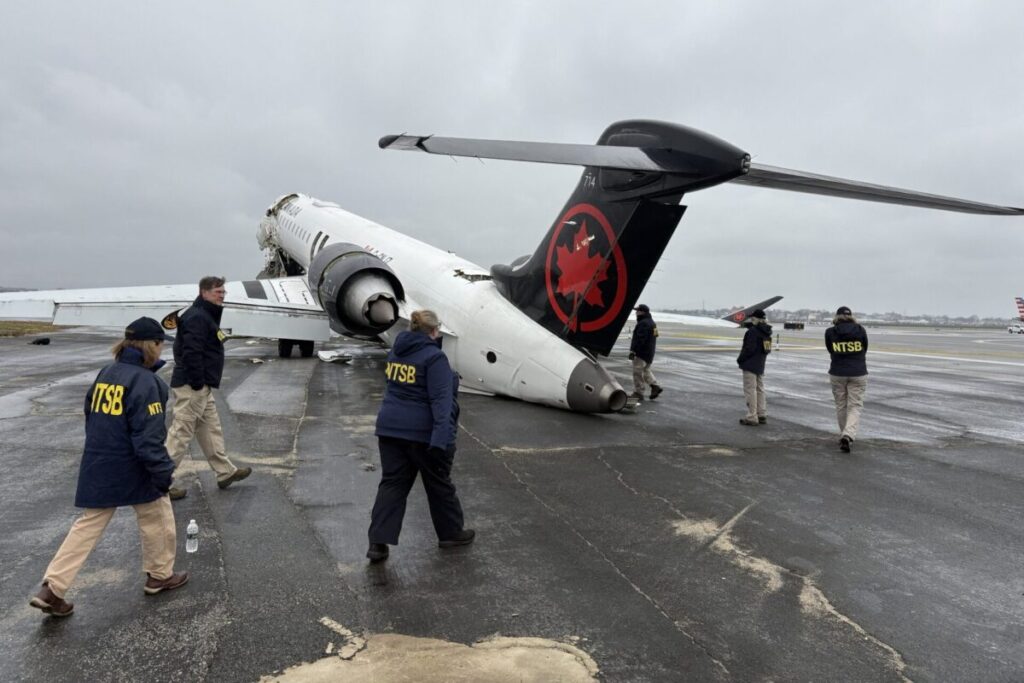
Just weeks after a terrifying near-collision between an Air Canada jet and a maintenance vehicle at LaGuardia Airport, the Federal Aviation Administration (FAA) has moved swiftly to close a glaring safety gap. The agency’s new rule—requiring all airport-owned vehicles to be equipped with transponders—is a direct response to that incident and a broader surge in runway incursions across the United States.
Let me break down what this mandate means, why it matters, and how it fits into the bigger picture of ground safety.
The LaGuardia Incident That Shook Aviation
On a routine evening at New York’s LaGuardia Airport, Air Canada Flight 876 was cleared to land on Runway 13. Simultaneously, an airport maintenance vehicle was working near the runway threshold—unbeknownst to air traffic control. The jet’s crew spotted the vehicle at the last moment and executed a go-around, missing the vehicle by a hair’s breadth.
The National Transportation Safety Board (NTSB) is still investigating, but the incident underscored a dangerous reality: ground vehicles can operate in a radar blind spot for controllers, especially during low visibility or busy periods. Had the Air Canada pilot not reacted in time, the result could have been catastrophic.
This near-miss became the catalyst for a rule that safety advocates had been demanding for years.
What Exactly Are Transponders—and Why Do They Matter?
A transponder is an electronic device that broadcasts a vehicle’s identity, altitude, and position to air traffic control radar. It’s the same technology that allows controllers to track aircraft in the sky. When a vehicle carries a transponder, its location appears as a distinct symbol on the controller’s screen—not just a vague “blip,” but a clearly identified moving object.
Until now, most airport ground vehicles—including fuel trucks, baggage carts, catering vans, and maintenance trucks—did not have this capability. Controllers relied on radio communication and visual confirmation, which can fail when weather is poor, runways are congested, or human error creeps in.
With the new mandate, every vehicle that operates on taxiways or runways will become a visible, trackable element in the digital airfield map. This creates a unified picture of all moving assets, reducing the likelihood of a vehicle crossing an active runway without controller awareness.
Key Details of the FAA Mandate
The FAA has set a clear timeline and scope for compliance. Here’s what airport operators need to know:
- Applicability: The rule covers all vehicles owned by the airport itself, as well as contractor vehicles that operate on airfield movement areas (runways and taxiways).
- Deadline: All affected vehicles must be equipped with operational transponders by mid-2026.
- Technology Standards: Transponders must meet current FAA technical specifications for ground operations, including automatic dependent surveillance–broadcast (ADS-B) capability in some cases.
- Exemptions: Vehicles that never enter active movement areas—like those restricted to ramp or apron zones—may be exempt, but strict geofencing protocols will apply.
Airports are already scrambling to retrofit fleets, which can range from a few dozen vehicles at small fields to thousands at hubs like Atlanta or Dallas/Fort Worth. The cost per vehicle is estimated between $2,000 and $5,000, plus installation and training. While that’s not trivial, the FAA argues it’s a fraction of the cost of a single accident.
Why This Mandate Is Decades Overdue
Runway incursions—defined as any unauthorized presence on a runway—have been a persistent safety threat for decades. The FAA recorded over 1,700 close calls on runways in 2023 alone. While most are resolved without incident, the margin for error is razor-thin.
A study by the International Air Transport Association (IATA) found that ground vehicle incursions are among the top three contributing factors to runway safety risks. Yet until now, the response has been limited to procedural changes and training—not technology.
Pilot unions have been particularly vocal. The Air Line Pilots Association (ALPA) has long called for mandatory transponders on all vehicles, citing cases where controllers were unaware of a vehicle’s location until the pilot reported it. The LaGuardia incident provided the political and public pressure needed to move the needle.
A Broader Shift in Ground Safety
The transponder mandate is just one piece of a larger puzzle. The FAA is also investing in Surface Awareness Systems that use high-resolution radar, ADS-B, and machine learning to predict potential conflicts. Several major airports are piloting “runway status lights” that warn pilots and drivers when a runway is occupied.
But technology alone isn’t a silver bullet. The human element remains critical. Controllers must be trained to interpret the new data, while ground crews need to understand that a transponder is not a substitute for vigilance.
There’s also the question of budget. Smaller airports may struggle to afford retrofits, especially those that rely on seasonal traffic or federal grants. The FAA has indicated it will provide financial assistance through the Airport Improvement Program, but details remain vague.
What Passengers Should Know
For travelers, this mandate translates into a safer, more predictable system. While the risk of a runway collision has always been low, the consequences are so severe that even incremental improvements matter. You might never notice a transponder on a fuel truck, but the next time your landing is smooth and uneventful, you can thank the invisible technology that kept you away from that vehicle.
Bottom line: The FAA’s move to mandate transponders on airport vehicles is a long-overdue step that brings ground operations into the 21st century. It won’t eliminate all runway incursions, but it will dramatically reduce the number that go undetected until it’s too late.
Looking Ahead: Implementation Challenges
Meeting the 2026 deadline will require significant coordination. Airports must:
- Inventory all vehicles that operate in movement areas.
- Procure and install transponders, often with custom mounting for unique vehicle types.
- Train drivers on proper transponder usage and reporting.
- Integrate the new data into air traffic control systems without disrupting existing operations.
Contractors present a special challenge. Many airport service providers own their own fleets and may resist the expense. The FAA can enforce the rule through airport certification requirements, but pushback is likely.
Nevertheless, the aviation industry has a strong safety culture. Most airport operators recognize that a single tragedy would far outweigh the cost of compliance. The LaGuardia near-miss was a warning shot. This mandate is the response.
Final Thoughts
Runway safety isn’t glamorous. It doesn’t make headlines like a new aircraft design or a record-breaking flight. But it is the foundation upon which everything else in aviation rests. By requiring transponders on airport vehicles, the FAA has taken a pragmatic, data-driven step to protect passengers and crews.
As someone who has spent years tracking aviation safety trends, I can say this: the mandate is overdue, but it’s welcome. And if you’re flying in the next few years, you’ll be flying over a digitally fortified tarmac—one where even a fuel truck can’t hide from the radar.
Safe skies start on the ground.
Disclaimer: This article is based on publicly available information and does not represent official FAA policy. For full regulatory details, consult the FAA’s final rule published in the Federal Register.