
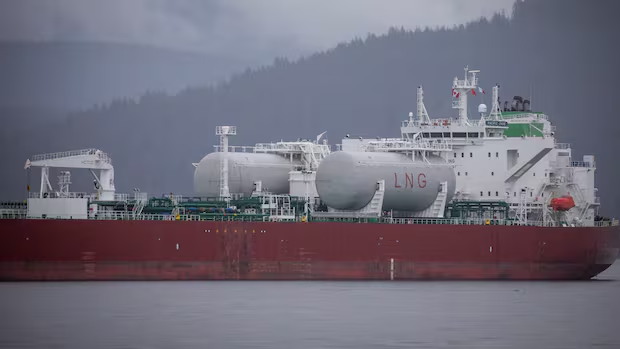
Why Canada’s North Coast Tanker Ban Remains in Effect
British Columbia’s northern coastline is home to productive marine ecosystems, coastal communities, and industries that depend on healthy ocean waters. It is also at the center of a national debate over whether Canada should expand its ability to export crude oil to international markets.
On October 28, 2026, the House of Commons rejected Conservative Bill C-264, which sought to repeal the federal Oil Tanker Moratorium Act. The vote was 132 to 191, leaving the existing restrictions on large crude oil tankers along B.C.’s north coast in place.
Prime Minister Mark Carney participated in the vote, which followed a political agreement earlier in the year between the federal government and British Columbia’s government to maintain the ban. The result means the proposed legislation will not advance to committee under its current parliamentary process.
The decision highlights competing priorities in Canada’s energy policy: expanding export opportunities for the oil industry while maintaining restrictions intended to protect sensitive coastal waters. Both economic development and environmental protection remain central to the discussion.
What the Oil Tanker Moratorium Act Prohibits
The federal Oil Tanker Moratorium Act, enacted in 2019, restricts large crude oil tankers from loading or unloading more than 12,500 metric tonnes of crude oil at ports and marine facilities along a defined section of British Columbia’s northern coast.
The restricted area extends from the northern tip of Vancouver Island to the Alaska border. The law is designed to prevent large crude oil shipments from using this stretch of coastline as an export corridor.
The legislation does not constitute a general prohibition on every type of vessel or all marine transportation in the region. Its restrictions apply to specified oil shipments and activities covered by the law.
Supporters of the moratorium point to the environmental consequences a major spill could have in coastal waters. Crude oil can damage marine habitats, affect wildlife, and disrupt the livelihoods of communities that depend on fisheries and other ocean-based activities.
Those supporting repeal argue that the existing restrictions prevent potential northern export projects from being considered, even before the environmental and regulatory review of an individual proposal. Bill C-264 was intended to remove that statutory barrier.
Why Conservatives Wanted to Repeal the Restrictions
The Conservative Party argued that lifting the ban could create new opportunities for Canadian energy exports. Access to Pacific shipping routes could give producers another way to reach buyers in Asian markets and potentially reduce dependence on existing export routes.
Conservative lawmakers also pointed to a proposal from Calgary-based Strathcona Resources. The company was considering transporting as much as 250,000 barrels of Canadian oil per day by rail along existing tracks to Prince Rupert, B.C., for shipment across the Pacific.
That proposal would require the tanker restrictions to be changed before large-scale crude exports could proceed through the proposed northern route. Conservative representatives argued that removing the ban would allow the project to be considered rather than excluded by the existing legislation.
Conservative Leader Pierre Poilievre also urged the federal government to reconsider the restrictions. Party representatives said additional access to overseas buyers could improve export opportunities for Canadian producers and support activity in the energy, railway, and port sectors.
However, repealing the moratorium would not automatically approve a pipeline, rail-export operation, or marine terminal. Individual projects would still need to address the applicable environmental, safety, regulatory, and consultation requirements.
How the Vote Affects Canada’s Energy Infrastructure Plans
The defeat of Bill C-264 comes as governments and industry participants consider how Canada could expand its energy-export capacity. The northern coast has been discussed as a possible route to Pacific markets, but the tanker law has been a significant constraint on proposals involving large crude oil shipments.
Alberta had previously envisioned a northern export route for the proposed Pacific Link oil pipeline. Following an agreement between Carney and British Columbia earlier in the summer, the proposed route was revised to travel south instead.
The southern route would largely follow the existing Trans Mountain pipeline corridor from Bruderheim, Alberta, toward an export terminal in Delta, British Columbia. This illustrates how federal policy decisions can influence the route and planning assumptions behind major energy infrastructure projects.
The agreement between Ottawa and the B.C. government included a commitment to maintain the north coast tanker restrictions. The subsequent parliamentary vote reinforced the current legislative position, although future governments could still propose new legislation or policy changes.
For the energy sector, the immediate consequence is that the existing legal restrictions remain. Any company considering crude oil exports from the northern coast must account for the moratorium unless Parliament changes the law.
Environmental Protection and Coastal Community Concerns
Opposition to repealing the tanker ban is closely linked to the ecological sensitivity of British Columbia’s northern waters. The region includes important marine habitats and supports communities whose economic and cultural activities are connected to the coast.
Environmental concerns focus on the possibility of a large oil spill and the difficulty of containing oil in exposed coastal waters. The consequences could extend beyond the immediate spill area, depending on weather, currents, shoreline conditions, and the type of oil involved.
Indigenous rights and consultation are also important parts of the debate. First Nations along the coast have interests in marine resources, traditional territories, fisheries, and decisions that may affect their communities.
Coastal First Nations, an alliance representing Indigenous communities on B.C.’s north and central coast, has opposed changes to the moratorium. Questions about Indigenous consent, legal consultation duties, and potential effects on traditional livelihoods remain relevant to future proposals.
At the same time, supporters of repeal maintain that environmental risks should be assessed through project-specific reviews rather than by maintaining a blanket statutory restriction. The disagreement reflects different views about whether existing regulatory safeguards would adequately address the risks of large crude oil tanker traffic in the region.
What Happens Next for the B.C. Tanker Ban?
With Bill C-264 defeated at second reading on October 28, the proposed repeal will not proceed through the committee stage as part of that bill. The current restrictions therefore remain in force.
Anyone following the issue can monitor parliamentary records, announcements from Natural Resources Canada and Transport Canada, and statements from the governments of Canada and British Columbia. These sources can provide updates if new legislation, regulatory measures, or agreements affecting the moratorium are proposed.
Businesses planning energy transportation projects should review the current legal requirements before making investment or routing decisions. Coastal communities and other interested readers can also follow public consultation processes and official environmental assessments for any future projects that may affect the region.
The debate is likely to remain part of Canada’s broader discussion about energy exports, infrastructure development, environmental responsibility, and Indigenous rights. The key developments to watch are whether the federal government maintains its current commitment, whether a new proposal emerges, and how any future project would address the legal protections that remain in place.