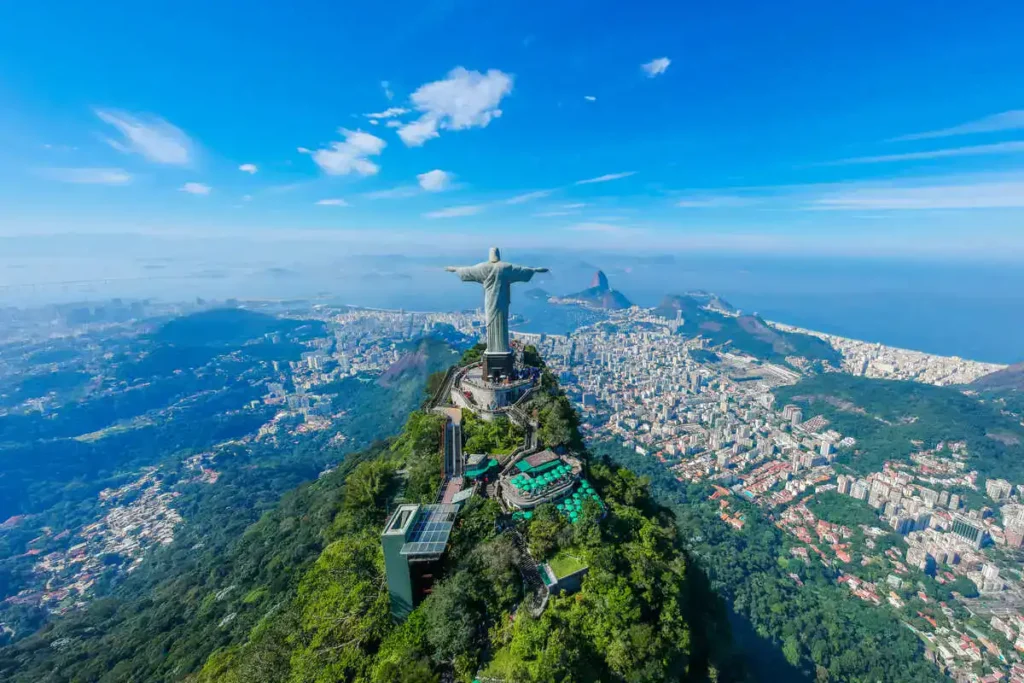
Brazil Surges Past Top Destinations to Lead Global Tourism Growth
For decades, the global tourism map has been dominated by a familiar set of powerhouses: the historic allure of Italy, the diverse landscapes of the United States, the cultural magnetism of Spain, and the natural wonders of Canada. But in a stunning shift, a new leader has erupted onto the scene, shattering records and redefining the pecking order. Brazil, the vibrant South American giant, has not just entered the chat; it has taken center stage, overtaking these established favorites to post the world’s most impressive tourism growth. This isn’t merely a spike in visitors; it’s a strategic triumph, signaling Brazil’s unprecedented success and its poised position as the travel market’s next major powerhouse.
A Record-Breaking Ascent in the Global Arena
The numbers tell a compelling story of explosive growth. Recent data reveals that Brazil’s inbound tourism surge has outpaced that of traditional heavyweights, including Canada, Mexico, Italy, the United States, Poland, and Spain. Where many destinations celebrated a return to pre-pandemic levels, Brazil blasted far beyond them, achieving record-breaking arrivals that have stunned industry analysts. This leapfrog over such a prestigious list of countries is no accident. It is the direct result of a concerted, multi-faceted national strategy to transform Brazil from a bucket-list niche destination into a mainstream, must-visit global hub.
The achievement is particularly striking given the intense competition in the post-pandemic travel rebound. While travelers flocked back to classic European cities and North American parks, a significant and growing segment was clearly looking for something more—something Brazil was perfectly positioned to offer.
The Strategic Pillars of Brazil’s Tourism Revolution
So, how did Brazil manage this remarkable feat? The success is built on several key strategic pillars, each addressing previous barriers and amplifying the country’s innate strengths.
Visa Facilitation: Rolling Out the Welcome Mat
A primary and immediate catalyst has been the aggressive easing of visa requirements. Brazil’s decision to waive visas for citizens of the United States, Canada, Australia, and Japan removed a significant hurdle for some of the world’s biggest travel markets. The message was clear and effective: “We are open for business, and we want you here.” This policy shift simplified trip planning, reduced costs for potential visitors, and generated a wave of positive publicity and immediate bookings.
Infrastructure and Connectivity: Opening the Gates
Growth on this scale is impossible without the physical capacity to support it. Brazil has made significant investments in its tourism infrastructure:
- Expanding international flight routes and increasing airlift from major global hubs.
- Modernizing key airports in gateway cities like São Paulo, Rio de Janeiro, and Brasília.
- Enhancing regional connectivity to spread the benefits of tourism beyond the classic hotspots.
These improvements have made the country more accessible and travel within it more efficient, encouraging longer itineraries and repeat visits.
Diversified Marketing: Showcasing More Than Samba and Soccer
Gone are the days when Brazil was marketed solely for Rio’s Carnival and the Amazon. The new promotional strategy brilliantly highlights the nation’s staggering diversity:
- Ecological Tourism: Positioning the Pantanal as the world’s best spot for wildlife watching and promoting the Amazon with a focus on sustainable, community-based lodges.
- Adventure Travel: Marketing the dunes of Lençóis Maranhenses, the crystal-clear waters of Bonito, and world-class hiking in Chapada Diamantina.
- Culinary and Cultural Journeys: Showcasing the sophisticated food scene of São Paulo, the wine region of the Serra Gaúcha, and the Afro-Brazilian heritage of Salvador.
- Business Tourism: Leveraging state-of-the-art convention centers in major cities to attract international conferences and corporate events.
This multi-pronged approach attracts a wider demographic, from luxury travelers and eco-tourists to adventure seekers and gastronomes.
Beyond the Numbers: The Ripple Effect of Success
The impact of this tourism boom extends far beyond arrival statistics. It is fueling a powerful economic and social transformation across the country.
- Job Creation: The travel and hospitality sector is a massive employment generator, creating opportunities in hotels, restaurants, tour operations, transportation, and handicrafts.
- Regional Development: As marketing promotes lesser-known regions, investment follows, helping to decentralize economic benefits and reduce inequality.
- Cultural Exchange and Preservation: Increased interest provides both the incentive and the resources to preserve cultural heritage sites, indigenous traditions, and local customs, fostering pride and sustainability.
- Global Perception: Positive travel experiences reshape Brazil’s international image, building soft power and encouraging further investment in other sectors.
Challenges and the Path Forward: Sustaining the Momentum
Despite the celebratory headlines, the path ahead requires careful navigation. Sustaining this explosive growth presents its own set of challenges that Brazilian authorities and the private sector must address.
- Managing Overtourism: Protecting iconic but fragile sites like Fernando de Noronha or specific areas of the Amazon from the negative impacts of too many visitors.
- Infrastructure Strain: Ensuring that local communities and utilities can handle peak-season demand without degradation of the experience or environment.
- Service Quality Standardization: Maintaining high standards of service, safety, and professionalism across a vast and diverse country to ensure positive word-of-mouth.
- Seasonal Balance: Developing year-round attractions and events to smooth out seasonal peaks and create stable employment.
The future will depend on a continued commitment to sustainable and inclusive tourism policies. The focus must remain on quality over sheer quantity, ensuring that growth benefits local communities and preserves the very assets that make Brazil unique.
Conclusion: A New Chapter in Global Travel
Brazil’s surge to the top of global tourism growth charts is a landmark event. It proves that with the right mix of policy, promotion, and product development, even the most ambitious goals are achievable. By overtaking stalwarts like Italy, the US, and Spain in growth rate, Brazil has sent a clear signal: the global travel landscape is evolving.
The world is taking notice, not just of Brazil’s famous beaches and festivals, but of its unparalleled ecological wealth, its rich cultural tapestry, and its warm, welcoming spirit. This record-breaking achievement is not an end point, but the exciting beginning of a new chapter. Brazil is no longer just a destination; it is a leading force, poised to shape the future of travel for years to come. For travelers seeking authentic, diverse, and unforgettable experiences, the message is clear: your next great adventure is calling from Brazil.