Canada’s Spy Agency Levels Serious Allegations Against China: A Deep Dive into the Espionage Crisis
When a nation’s premier intelligence service breaks its typical silence to name an adversary directly, the stakes are no longer theoretical. This week, Canada’s security apparatus did exactly that, issuing a public indictment against the People’s Republic of China that spans harassment, technology theft, and financial exploitation.
For anyone tracking the escalating tensions between Western democracies and Beijing, this is not just a news headline—it is a seismic shift in how Canada frames its national security posture.
Let’s break down what was actually said, why it matters, and what it means for ordinary Canadians, tech entrepreneurs, and policymakers alike.
The Core Allegations: A Triad of Threats
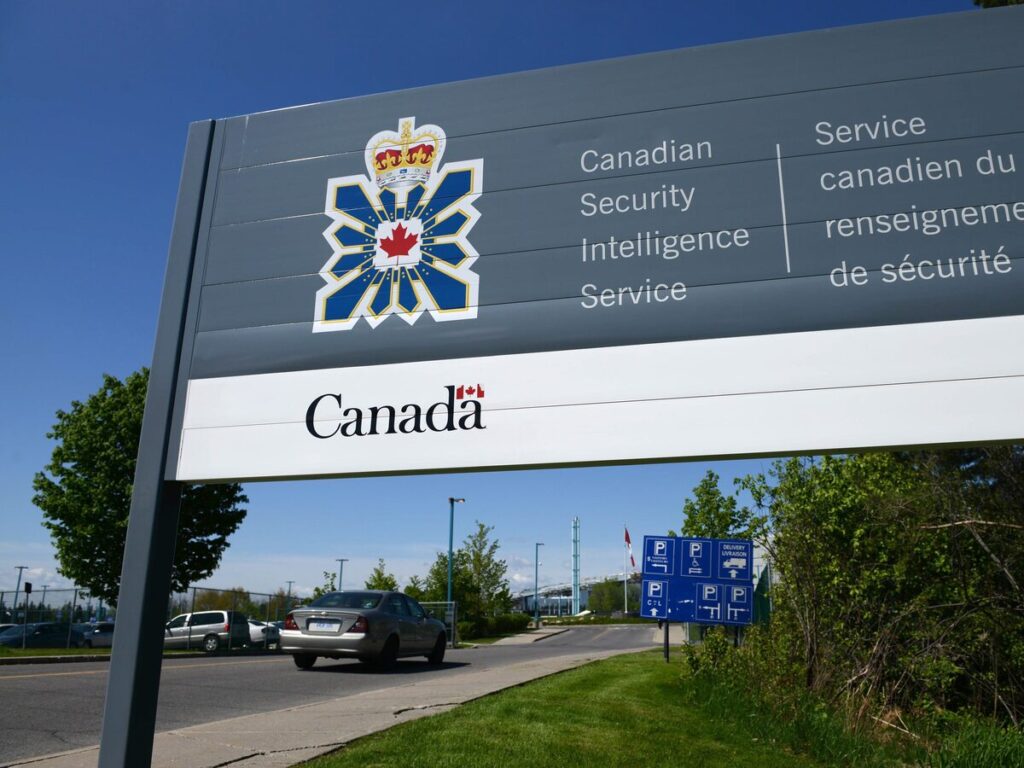
According to the report initially carried by Inshorts and corroborated by multiple intelligence sources, Canada’s spy agency—likely referencing the Canadian Security Intelligence Service (CSIS) or the Communications Security Establishment (CSE)—has leveled three distinct yet interconnected charges against Chinese state-linked actors.
1. Systematic Harassment of Canadian Citizens
This is the broadest and most alarming charge. The agency claims that individuals with ties to Beijing have engaged in a pattern of intimidation, surveillance, and psychological coercion targeting Canadian nationals.
This is not random street-level harassment but rather what intelligence professionals call “gray-zone” warfare—actions that fall below the threshold of open conflict but are designed to instill fear, silence critics, or extract compliance.
Victims reportedly include:
- Members of the Chinese diaspora in Canada who are critical of Beijing
- Journalists and academics researching sensitive topics
- Business leaders operating in sectors where Chinese interests compete directly
The method is often subtle: strange vehicles parked outside homes, hacked social media accounts, or anonymous threats that leave no forensic fingerprint but send a clear message.
2. Large-Scale Technology Theft
The second allegation is one that will send chills through Canada’s innovation ecosystem. The spy agency claims that Chinese operatives are actively siphoning proprietary intellectual property from Canadian firms, universities, and government research labs.
Given Canada’s strengths in artificial intelligence, quantum computing, aerospace engineering, and clean energy, the target list writes itself.
What makes this particularly dangerous is the scale and sophistication of the operation. This is not isolated industrial espionage by a rogue actor. The agency describes a coordinated, state-backed effort to map Canada’s technological vulnerabilities and exploit them systematically.
3. Financial Exploitation of Vulnerable Individuals
Perhaps the most insidious charge is the claim that China is weaponizing financial leverage against Canadian citizens.
The report suggests that individuals facing economic hardship—those with mounting debt, struggling businesses, or family members in China who could be used as leverage—are being targeted for recruitment or coercion.
This tactic, known in intelligence circles as “compromised asset development,” turns economic vulnerability into a national security liability. The spy agency warns that these operations are designed to create a network of unwitting or coerced informants within Canada’s borders.
Why This Matters for the Broader Geopolitical Landscape
These allegations do not exist in a vacuum. They are the latest salvo in a growing confrontation between the Five Eyes intelligence alliance—comprising Canada, the United States, the United Kingdom, Australia, and New Zealand—and China’s increasingly assertive global posture.
A Pattern of Escalation
This is not Canada’s first public accusation.
In 2023, CSIS publicly warned that China was interfering in Canada’s federal elections. In 2024, the agency identified Chinese operatives linked to the Beijing consulate in Vancouver as running a “police station” on Canadian soil, targeting diaspora critics.
This latest report represents a significant escalation in tone and specificity.
What has changed? Three factors:
- Evidence saturation – Intelligence agencies typically avoid public naming unless they have corroborating proof they can defend.
- Deterrence failure – Private diplomacy appears to have yielded no behavioral change from Beijing.
- Domestic pressure – Canadian lawmakers and the public are demanding transparency about foreign threats.
The Five Eyes Dimension
Canada’s decision to go public aligns with similar moves by its allies.
Australia has repeatedly accused China of cyberattacks and political interference. The UK has expelled Chinese spies posing as diplomats. The US Department of Justice has indicted multiple Chinese nationals for hacking and trade secret theft.
This is not a rogue nation making baseless claims. It is a coordinated intelligence assessment shared among the world’s most capable signals and human intelligence networks.
What Should Canadian Businesses and Citizens Do?
This is not a time for panic, but it is a time for strategic vigilance. Here is actionable advice based on standard counterintelligence best practices.
For Technology Companies and Research Institutions
- Audit your cybersecurity posture immediately. If you hold proprietary data that could have dual-use or military applications, assume it is a target.
- Train employees on social engineering tactics. Financial exploitation often starts with a friendly email or LinkedIn connection from someone who seems legitimate.
- Report suspicious contact. Any unsolicited approach from a foreign entity requesting data, collaboration on restricted technologies, or access to systems should be reported to the Canadian Security Intelligence Service.
For Individual Citizens
- Be wary of unexpected financial offers. If someone offers you debt relief, investment opportunities, or business partnerships that seem too good to be true, especially from overseas contacts, pause and verify.
- Secure your digital footprint. China’s harassment tactics often begin with open-source intelligence gathering. Review what personal and professional information is publicly available.
- Know your resources. The Government of Canada has a dedicated Security Awareness Program and a reporting hotline for suspicious foreign interference.
For Policymakers
- Increase funding for counterintelligence operations. The spy agency has clearly identified the threat; it needs resources to combat it.
- Strengthen IP protection laws. Canada’s legal framework for prosecuting technology theft lags behind that of the US and UK.
- Engage in public education. Citizens cannot protect themselves from threats they do not understand.
The Inevitable Response from Beijing
We can anticipate China’s official reaction with near-certainty.
The Ministry of Foreign Affairs will issue a statement calling the allegations “baseless,” “groundless,” and “a smear campaign” designed to undermine bilateral relations. Officials will point to Canada’s own history of colonial injustices and human rights concerns as a deflection tactic.
This is standard operating procedure. It does not mean the allegations are false. In fact, within intelligence communities, a rapid and aggressive denial often signals proximity to the truth.
The Bottom Line: This Is a Watershed Moment
Canada’s spy agency has done something unusual and brave: it has taken the threat out of classified briefing rooms and into the public square. This forces citizens, businesses, and lawmakers to confront a reality that has been quietly unfolding for years.
The line between economic competition and espionage is not just blurry—it has effectively vanished. China sees technology theft, financial coercion, and diaspora harassment as legitimate tools of statecraft. Canada sees them as violations of sovereignty and human rights.
The next chapter of this story will be written not in intelligence reports, but in how Canadian institutions respond.
Will they fortify their defenses? Will they hold perpetrators accountable? Or will this be yet another report that gathers dust while the threat grows?
For now, one thing is clear: the warning has been issued. Ignoring it is no longer an option.