
Libya Vitality Disaster Unrest Grows
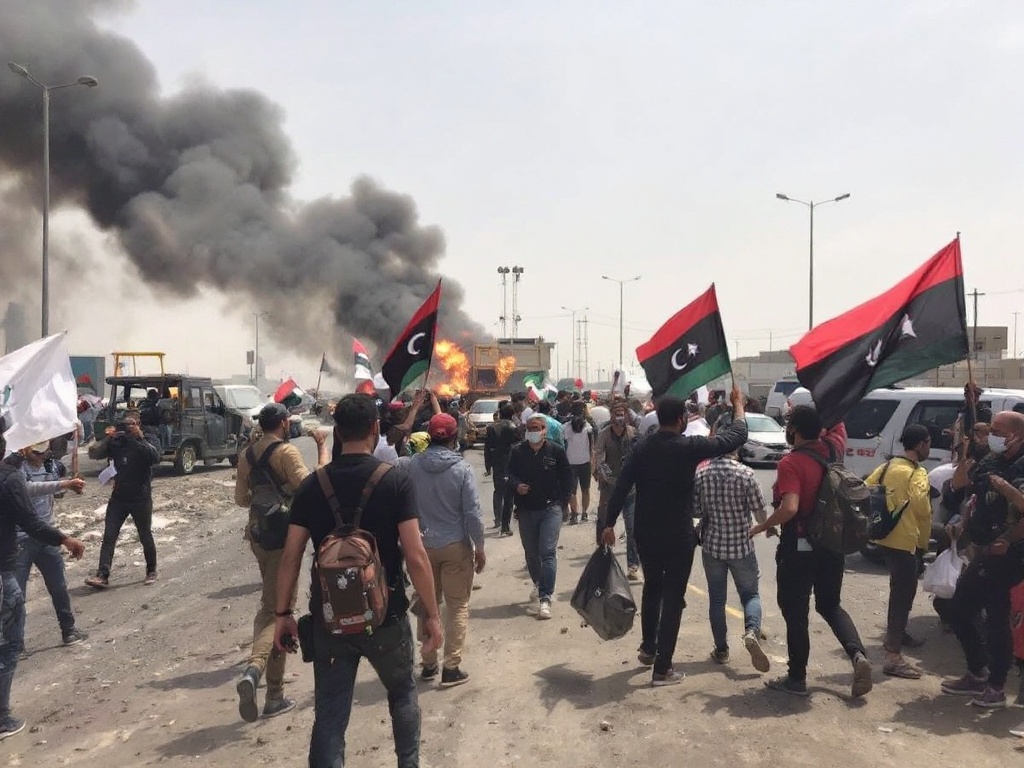
Protesters storm Libya’s key vitality advanced amid widespread electrical energy blackouts and gasoline shortages affecting tens of millions of residents each day.
Libya electrical energy protests
Understanding Libya’s Vitality Disaster
When Canadians expertise a brief energy outage, it is often restored inside hours. In Libya, residents are going through months of rolling blackouts which have change into a lifestyle. The North African nation’s electrical energy infrastructure has deteriorated so severely that protests have erupted at vital vitality services, with demonstrators demanding speedy motion from their authorities.
The scenario has reached a breaking level. Offended crowds not too long ago stormed one in every of Libya’s most important vitality complexes, highlighting the desperation felt by tens of millions struggling with out dependable energy. This is not simply an inconvenience—it is a disaster that is destabilizing each day life throughout the nation.
What Triggered the Current Unrest
The speedy spark got here from prolonged blackouts which have left total cities in darkness for prolonged durations. Hospitals cannot function correctly, companies cannot perform, and households are compelled to depend on costly diesel turbines to energy their properties. The breaking level got here when residents realized their authorities wasn’t taking significant steps to deal with the issue.
Protesters gathered at a key vitality set up, demanding solutions and motion. Their message was clear: the present scenario is unsustainable. The advanced they focused performs an important function in distributing electrical energy throughout a number of areas, making it a symbolic point of interest for public anger.
The Root Causes of Libya’s Energy Drawback
Libya’s electrical energy disaster did not occur in a single day. Years of battle, poor upkeep, and persistent underfunding have crippled the nation’s energy technology infrastructure. Many services function far beneath capability, and getting old gear breaks down recurrently with inadequate spare components accessible for repairs.
The nation’s oil and gasoline assets ought to theoretically present considerable vitality. Nevertheless, political instability has prevented the oil sector from functioning successfully. Income that would fund infrastructure enhancements will get diverted elsewhere, leaving the ability sector in a relentless state of neglect.
Moreover, gasoline shortages compound the issue. Even when energy crops have the capability to generate electrical energy, they usually lack the mandatory gasoline provides to function at full capability. This creates a vicious cycle the place blackouts proceed no matter accessible gear.
How Blackouts Impression Every day Life
Think about going via your each day routine with out electrical energy for 12 to 16 hours each single day. That is the fact for a lot of Libyans. Refrigeration turns into inconceivable, sizzling water is a luxurious, and charging units requires cautious rationing.
Companies undergo enormously from unpredictable energy cuts. Small retailers, eating places, and producers cannot function effectively when electrical energy is unreliable. This financial impression extends past particular person companies—it weakens your complete nationwide economic system and reduces job alternatives.
Healthcare services face life-threatening challenges. Hospitals depend on backup turbines, however these are costly to function and gasoline provides aren’t assured. Surgical procedures get postponed, vital gear cannot perform correctly, and sufferers obtain substandard care merely attributable to lack of energy.
The Function of Political Instability
Libya’s political scenario stays deeply fractured, with competing authorities controlling totally different areas. This fragmentation makes coordinated vitality administration almost inconceivable. Infrastructure investments require secure governance and long-term planning—commodities Libya at the moment lacks.
Worldwide sanctions and geopolitical tensions additional complicate issues. Overseas funding within the vitality sector stays restricted, and technical experience wanted to rehabilitate getting old services is tough to draw given the unstable surroundings.
What the Protesters Need
These storming the vitality advanced aren’t asking for miracles—they’re demanding primary infrastructure performance. Protesters need dependable electrical energy provide, transparency about energy technology capability, and accountability from officers liable for the disaster.
Residents are additionally calling for prioritization of vitality sector funding. They perceive that fixing the electrical energy downside requires important funding and cannot be solved in a single day, however they anticipate real effort and progress towards enchancment.
Many protesters are annoyed by what they understand as authorities indifference. They really feel their leaders do not adequately grasp the severity of struggling brought on by prolonged blackouts, or worse, do not care sufficient to take motion.
The Broader Regional Context
Libya is not alone in going through vitality challenges amongst North African nations. Nevertheless, the severity of Libya’s disaster exceeds many neighboring nations. The mix of considerable pure assets but persistent energy shortages creates a very irritating paradox for residents.
Regional instability spreads past Libya’s borders. When governments cannot present primary companies like electrical energy, extremist teams usually fill the vacuum, providing different governance constructions. This safety dimension makes the vitality disaster a nationwide safety situation as effectively.
Potential Options and Challenges
Fixing Libya’s energy sector requires each short-term and long-term methods. Fast repairs to present services might restore some capability rapidly. Nevertheless, actually fixing the disaster calls for substantial infrastructure funding and political stability to implement complete reforms.
Worldwide help might speed up restoration efforts. A number of nations have supplied technical help, however implementation stays gradual attributable to safety issues and authorities coordination challenges. Overseas firms are reluctant to spend money on initiatives with out political certainty.
Renewable vitality presents a promising long-term resolution. Libya receives considerable sunshine year-round, making solar energy viable. Nevertheless, transitioning to renewable infrastructure requires capital funding and technical experience not at the moment accessible.
Public Sentiment and Future Unrest
The current protest on the vitality advanced displays broader public frustration. Residents have demonstrated outstanding endurance, enduring years of blackouts with minimal violence. Nevertheless, this endurance seems to be carrying skinny because the disaster persists with out significant enchancment.
Authorities officers face stress to show tangible progress. If circumstances proceed deteriorating, anticipate extra demonstrations and potential escalation. The delicate social stability Libya maintains might be threatened if electrical energy shortages persist unchecked.
Transferring Ahead
Libya’s electrical energy disaster represents a failure of governance and infrastructure administration. The nation possesses pure assets that ought to present vitality abundance, but residents undergo persistent blackouts. The disconnect between potential and actuality frustrates residents and fuels social unrest.
Resolving this disaster calls for political will, sustained funding, and technical experience. Fast fixes will not work—Libya wants complete vitality sector reform. Till leaders prioritize infrastructure rehabilitation and gasoline provide consistency, protests will possible proceed.
The individuals storming vitality complexes aren’t looking for revolution. They merely need dependable electrical energy to energy their properties, run their companies, and maintain their healthcare methods. That primary expectation from their authorities appears affordable, but stays painfully out of attain for tens of millions of Libyans going through this ongoing vitality emergency.

