
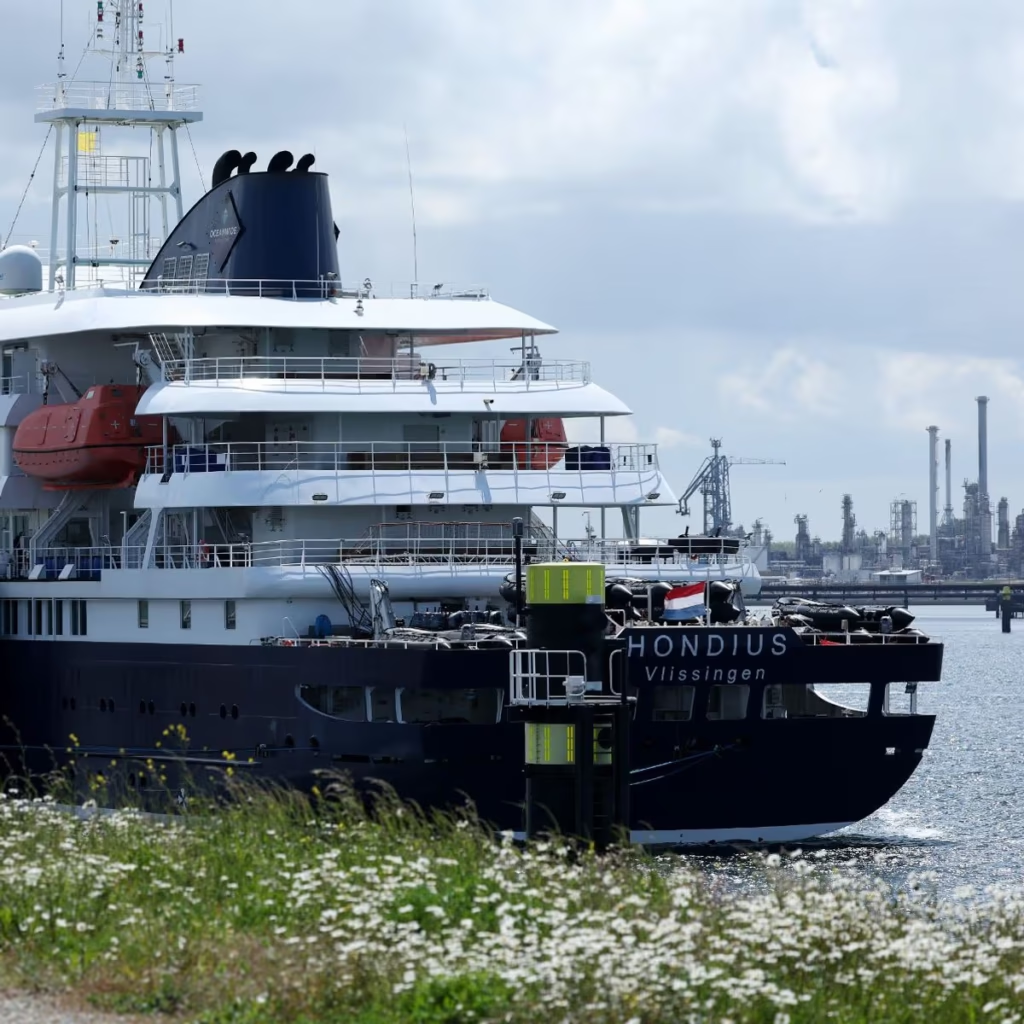
Hantavirus Outbreak Forces Cruise Ship to Emergency Dutch Port for Disinfection
The cruise industry, a multi-billion-dollar ecosystem built on luxury and safety, faced a stark biological reality check this week. A vessel harboring a potentially deadly zoonotic infection was forced to break its itinerary and make an unscheduled, high-priority docking in the Netherlands. The cause? A suspected outbreak of hantavirus, a pathogen more commonly associated with rural rodent infestations than with floating resorts. This incident has sent a ripple of concern through the travel sector, raising critical questions about the effectiveness of current shipboard sanitation protocols against ultra-resilient viruses.
Let’s break down exactly what happened, what this virus is, and what it means for your future cruise plans.
The Incident: A Medical Emergency at Sea
According to reports, the cruise ship—whose name has been withheld pending full investigation—was diverted to a Dutch port following a confirmed medical emergency. The ship’s medical team identified multiple passengers presenting with symptoms consistent with hantavirus pulmonary syndrome (HPS) or hemorrhagic fever with renal syndrome (HFRS). While the specific strain is yet to be officially confirmed in all cases, the decision to dock for an “emergency sanitization” signals a high level of concern from both the cruise line and local health authorities.
The arrival was not a routine docking. The vessel was met by a specialized biohazard response team. The goal was clear: to contain a virus that does not typically thrive in human-to-human transmission environments but can survive on surfaces for hours to days.
What is Hantavirus? A Primer for Travelers
This is not a common “stomach flu” or norovirus. Hantavirus is a genus of viruses carried primarily by rodents. Humans typically contract it by inhaling aerosolized particles from rodent urine, droppings, or saliva. On a cruise ship, this usually points to a major failure in food storage areas, crew quarters, or cargo handling.
The key danger of hantavirus lies in its severity:
- High Mortality Rate: Hantavirus Pulmonary Syndrome (hantavirus) can have a mortality rate of 38% to 50%.
- Rapid Progression: Early symptoms—fatigue, fever, muscle aches—mimic the flu, but respiratory failure can occur within days.
- No Specific Cure: Treatment is supportive, involving intensive care and oxygenation.
For a cruise line, a case of hantavirus is a nightmare scenario. Unlike norovirus, which often passes quickly, hantavirus triggers a full-scale biohazard response.
The Sanitization Protocol: Not Your Average Scrub Down
The term “disinfection” in the news headline undersells the operation. This was a phased environmental shutdown. A standard cruise ship cleaning involves high-grade chlorine solutions. A hantavirus sanitization requires a different approach entirely.
Step 1: Isolation and Airflow Management
The first action upon docking was to shut down the ship’s HVAC system. Hantavirus is airborne. If the virus entered the ventilation ducts, the entire ship would be a risk zone.
- Specific cabins and common areas were sealed off.
- Crew members involved in the clean-up wore full hazmat suits with positive-pressure respirators.
Step 2: Surface Decontamination
Standard cruise disinfectants are effective against bacteria and enveloped viruses (like flu). Hantavirus is more robust.
- Authorities likely used a 10% bleach solution or an EPA-registered disinfectant specifically proven to kill non-enveloped viruses.
- All soft furnishings, carpets, and mattresses in suspected exposure areas were removed and either incinerated or treated with hospital-grade steam cleaning at temperatures exceeding 160°F (71°C).
- Food storage areas, the likely source of the rodent infestation, were completely gutted and re-sterilized.
Step 3: Rodent Eradication (The Root Cause)
You cannot disinfect a ship from hantavirus without killing the hosts. A team of pest control specialists conducted a thorough inspection of the hull, docking lines, and cargo holds. They were looking for entry points. A single mouse can produce up to 40 droppings a day, each one a potential vector.
Cruise Ship Sanitation: Is the System Broken?
This incident is a stark reminder that cruise ships are floating cities. They are vulnerable to the same pests that plague urban centers. While the Centers for Disease Control and Prevention (CDC) and the Vessel Sanitation Program (VSP) provide strict guidelines, they are often reactionary.
The current inspection system relies heavily on scheduled visits and surprise inspections. However, the hantavirus incident highlights a gap: the difficulty of enforcing sanitation standards in crew-only areas and during rapid turnaround times in foreign ports.
Three crucial questions the industry must now answer:
- Rodent Monitoring: Are electronic monitoring systems being used in food storage areas, or are we relying on visual checks?
- Air Filtration: Given the airborne risk, are HEPA filters standard on all new ships?
- Crew Health: Are crew members trained to spot the difference between a common cold and a hantavirus symptom?
Protecting Yourself from Zoonotic Diseases on Cruises
While this event is alarming, the risk to the average passenger remains low if you are vigilant. However, the “expert” advice here is not to rely solely on the cruise line. You must practice spatial awareness.
Pre-Cruise Precautions
Before you book, look at the ship’s VSP inspection score. These are public records. A score below 86 is a red flag.
Onboard Behavior
Do not ignore signs of vermin. If you see a mouse, a roach, or even a disproportionate amount of droppings near a buffet line, report it immediately.
- Seal your food: Never leave room service trays in the hallway overnight.
- Hand hygiene: This is non-negotiable. Wash with soap and water, not just sanitizer, especially after touching railings or elevator buttons.
Symptoms to Watch For
If you or a companion develop a high fever with severe body aches and sudden shortness of breath within 1 to 5 weeks of a cruise (especially one with a known outbreak), do not dismiss it as post-vacation flu. Seek medical attention immediately and inform the doctor of your recent travel.
The Future of Cruise Sanitization
The emergency docking in the Netherlands is not just a news story; it is a warning signal. The cruise industry successfully navigated the COVID-19 pandemic, but that was a virus spread primarily through human droplets. Hantavirus poses a different, more “environmental” threat. It proves that a ship is only as clean as its darkest corners.
We can expect to see an increase in proactive fumigation and a shift towards more rigorous entry inspections for cargo and provisions in the coming months. For now, the passengers of this stricken ship face a disrupted vacation and a significant health scare. The rest of the industry should be watching closely to learn from this bio-safety breach.

