Donald Trump Exposes Media Dinner Shooting Plot Targeting Government Officials in New Revelations
The disturbing details behind a recent high-profile security breach have sent shockwaves through Washington.
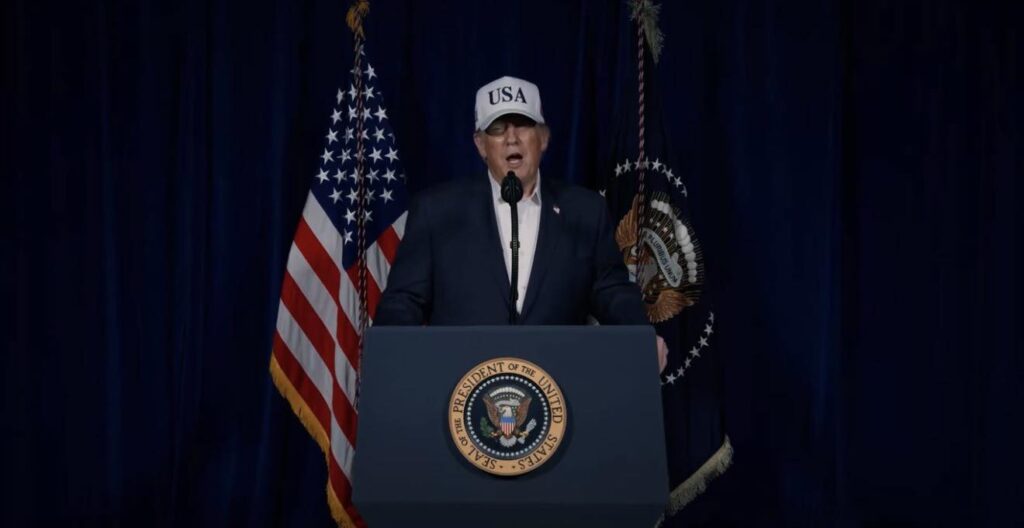
Former President Donald Trump has publicly disclosed that the suspect arrested before a major media dinner had written documents explicitly targeting members of the current administration.
This revelation sheds new light on a plot that could have turned a celebration of press freedom into a scene of unprecedented violence.
The Revelation: A Premeditated Plan Against the Administration
According to Trump’s statements, the suspect left behind written materials that went far beyond general grievances.
These writings contained specific references to harming key government officials.
This is not merely a case of an individual with bad intentions—this is a documented, premeditated plan targeting the highest levels of political leadership.
The full contents of those writings remain under seal. However, Trump’s characterization paints a picture of an organized threat, not a random act of desperation.
Law enforcement sources confirm that the material pointed directly at individuals holding significant power within the administration.
What the Writings Contained
While authorities are being cautious about releasing details, several key elements have emerged:
- Specific targeting: The suspect did not just express anger at “the government” but named or described positions within the administration
- Ideological motivation: Early analysis suggests the writings reflected political extremism rather than personal grievances
- Premeditated planning: Documents indicated the suspect had researched security protocols and identified vulnerabilities
These details align with a broader trend that security experts have been warning about for years: political violence is becoming more calculated and less spontaneous.
The Media Dinner Incident: A Night of Near-Tragedy
The event in question was supposed to be a night of celebration—journalists, politicians, and media professionals gathering to honor the role of a free press in democracy.
Instead, it almost became a massacre.
Security personnel intercepted the suspect before they could enter the venue.
Quick thinking and rapid response prevented what could have been a catastrophic loss of life.
Witnesses described a surreal shift in atmosphere—from laughter and conversation to terror and confusion.
How Security Prevented Disaster
The success of the security response was not accidental.
It involved several critical factors:
- Enhanced screening protocols already in place due to the high-profile nature of the event
- Coordination between multiple law enforcement agencies
- Behavioral detection techniques that flagged the suspect before entry
This incident demonstrates that effective security is not just about metal detectors and bag checks—it requires active intelligence gathering and human judgment.
Why This Matters: The Escalating Crisis of Political Violence
This plot did not emerge in a vacuum.
The United States has seen a steady rise in threats against public officials over the past decade.
The combination of instantaneous communication platforms, echo chambers of extremist content, and deepening political divides has created a tinderbox.
The suspect’s writings are part of a larger pattern.
According to data from the United States Capitol Police:
- Threats against members of Congress increased significantly between 2016 and 2021
- State and local officials face similar levels of hostility
- Plots involving multiple targets are becoming more common
This assassination plot against administration officials fits into a broader trend where political opponents are no longer seen as adversaries to be debated, but as enemies to be eliminated.
The Suspect’s Profile: An Alarming Normalcy
Early reports indicate that the individual had no prior criminal record.
This detail is perhaps the most unsettling of all.
The suspect was not a known extremist, not on any watchlist, and not someone who had previously attracted law enforcement attention.
This suggests that radicalization is happening quietly, often outside the view of authorities.
An otherwise unremarkable individual can develop a detailed plan for mass violence without raising any flags.
Trump’s Disclosure: Information or Irresponsibility?
The former President’s decision to publicly reveal the contents of the suspect’s writings has sparked debate.
Some argue that such disclosures are necessary for transparency. The public has a right to know the nature of threats against their leaders.
However, critics raise important concerns:
- Publicizing specific threats could inspire copycats seeking notoriety
- Releasing details before investigations are complete could compromise ongoing work
- Political figures using such information for partisan advantage risks further polarization
The tension between public awareness and operational security is a delicate balance that authorities must navigate carefully in the coming weeks.
The Ongoing Investigation: A Race for Answers
Federal investigators are now working to understand the full scope of this plot.
Key areas of focus include:
- Digital footprint: Examining the suspect’s online activity, social media posts, and communications
- Network connections: Determining whether the individual acted alone or with accomplices
- Radicalization timeline: Understanding when and how the suspect moved from frustration to violent intent
Early indications suggest the suspect may have been radicalized through online content.
If confirmed, this would reinforce calls for greater scrutiny of platforms that allow extremist rhetoric to flourish unchecked.
Security Implications: What Changes Now
This near-tragedy has already prompted a review of security protocols at political and media events.
Several changes are being considered:
- Enhanced vetting procedures for attendees at high-profile gatherings
- Increased intelligence sharing between federal, state, and local agencies
- Greater focus on digital threat monitoring to identify potential attackers before they act
Event organizers are also reconsidering the balance between accessibility and security.
In an era of heightened threats, the days of open, lightly secured gatherings may be ending.
A Broader Warning: The Normalization of Political Violence
Beyond the immediate investigation, this plot serves as a chilling reminder of where political discourse has gone wrong.
When disagreement escalates to demonization, and demonization escalates to dehumanization, violence becomes a logical endpoint for those who lack restraint.
The suspect in this case may have been an outlier, but the environment that nurtured their extremism is not.
The rhetoric that frames political opponents as existential threats, the media ecosystem that amplifies outrage, and the social media algorithms that reward anger all contribute to a culture where plots like this become thinkable.
Looking Forward: What Can Be Done
Preventing future attacks requires more than just increased security.
It demands a societal reckoning with the forces that drive individuals toward violence.
Actionable steps include:
- Bipartisan condemnation of political violence in all its forms
- Better mental health support and crisis intervention resources
- More responsible media coverage that does not amplify extremist narratives
- Stronger community connections to identify and intervene with at-risk individuals
The media dinner plot was interrupted before it could become a tragedy. The next one might not be.
The question is whether the nation will treat this as a wake-up call or simply move on to the next outrage.
Conclusion
For now, the investigation continues.
The suspect faces serious charges. And the security apparatus of the United States learns yet another hard lesson about the new reality of political violence.
The writings have been seized, but the ideas behind them have not.
That remains the most dangerous threat of all.