
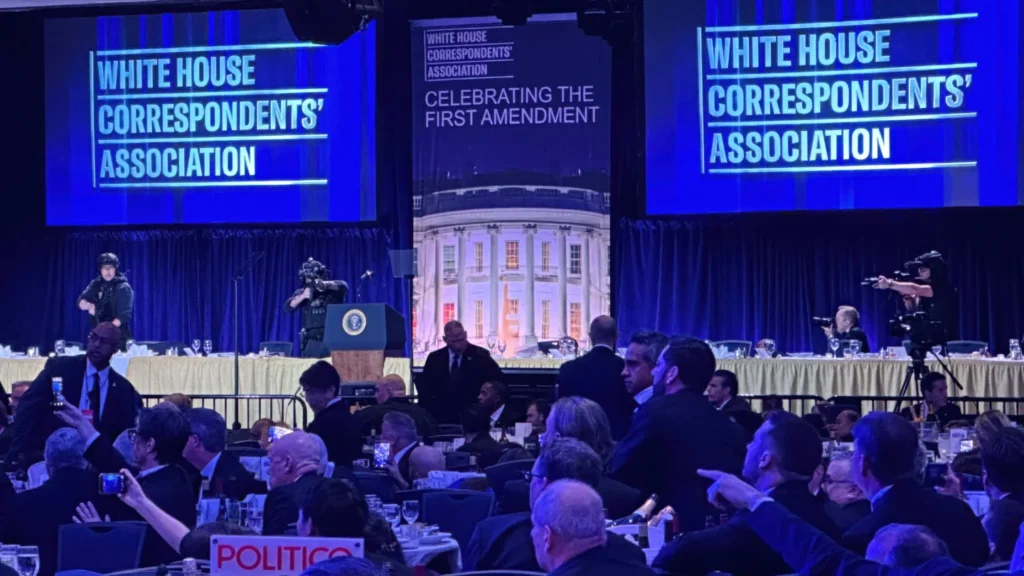
Disturbing Letters Reveal DC Gala Suspect’s Trump-Fueled Grievances Before Attack
The revelation that the DC gala shooting suspect had been sending family members letters blaming former President Donald Trump for his anger has opened a startling new chapter in the investigation. These writings, now in the hands of federal authorities, provide a rare and unsettling look into the psychology of an alleged attacker whose motives appear deeply rooted in contemporary political strife.
Understanding the Suspect’s Mindset Through Written Words
Investigators have confirmed that letters recovered from the suspect’s home and shared with relatives contain explicit references to Donald Trump. While the suspect did not directly threaten the gala event in these writings, the tone and content suggest a man who felt personally aggrieved by the former president’s political career. According to law enforcement sources, the letters paint a portrait of increasing isolation and resentment that culminated in violence.
The core grievances expressed in the letters include:
- Accusations of divisive leadership: The suspect reportedly wrote that Trump had “torn the country apart” and destroyed the political norms he once believed in.
- Personal responsibility for societal harm: There were multiple passages blaming Trump for economic anxiety and social unrest, which the suspect framed as personal attacks on his own well-being.
- A sense of moral urgency: One letter, dated weeks before the shooting, allegedly stated that “someone has to stand up before it’s too late,” a phrase investigators view as a potential precursor to violent action.
Was This a Case of Radicalization Through Political Rhetoric?
Experts in extremism are already drawing parallels between the suspect’s letters and the writings of other politically motivated attackers. What stands out in this case is the specificity of the target. The suspect did not just express vague political dissatisfaction; he focused directly on Trump as an individual rather than on broader political systems or parties.
Key warning signs observed in the writings include:
- A shift from general frustration to personalized blame directed at a single public figure.
- Language that increasingly dehumanized political opponents, referring to them as “enemies of the people.”
- References to “inevitable conflict” and a belief that violence was the only remaining option.
This pattern mirrors radicalization processes seen in both left-wing and right-wing extremists, where a fixation on one political figure or group becomes an obsession that justifies harmful actions.
The Attack Itself: A High-Profile Event Interrupted
The shooting occurred at an upscale private gala attended by members of Congress, donors, and political strategists. Witness accounts describe a sudden eruption of chaos as security personnel rushed to subdue the suspect after shots were fired. Fortunately, rapid response prevented any fatalities, though several attendees suffered minor injuries from shards of glass and the ensuing stampede.
The suspect was reportedly subdued within minutes, but the psychological impact on those present has been substantial. Many attendees later described feeling a surreal sense of disbelief that a political fundraising event could become a scene of violence.
Security Gaps and Their Implications
This incident has reignited debates about security protocols at private political events. Unlike official government buildings, which have strict metal detectors and screening procedures, private galas often rely on guest lists and hired security that may not be equipped to handle an armed attacker.
Questions being raised include:
- How did the suspect gain access with a weapon?
- What screening measures, if any, were in place for attendees and staff?
- Should private political events be subject to the same security standards as official government functions?
The Broader Climate of Political Violence
This case does not exist in a vacuum. The United States has witnessed a disturbing increase in politically motivated attacks over the past decade. From the 2017 congressional baseball shooting to the January 6 Capitol breach, political figures and events have become frequent targets.
Experts point to several factors driving this trend:
- Polarized media environments: Constant exposure to inflammatory rhetoric can normalize the idea that political opponents are threats.
- The echo chamber effect: Suspects often consume content that reinforces their grievances and isolates them from dissenting viewpoints.
- Easy access to firearms: Many of these attackers, including the DC gala suspect, obtain weapons legally despite showing signs of instability.
Mental Health and the Missing Red Flags
The suspect’s family members have reportedly expressed shock at the shooting, but the letters suggest that troubling signs were present. This raises a critical question: how can loved ones and authorities better identify when political grievances cross the line into actionable threats?
Indicators that should raise concern include:
- Escalating language that moves from complaint to dehumanization.
- Expressions of admiration for previous mass shooters or political assassins.
- Withdrawal from social connections combined with obsessive focus on a political topic.
Conclusion: A Warning for a Divided Nation
The DC gala shooting suspect’s writings offer a disturbing window into a mind that found justification for violence in political anger. The focus on Donald Trump as a personal antagonist is significant not because it changes the nature of the crime, but because it underscores how dangerous it can be when deep-seated personal grievances become fused with national political conflicts.
As the investigation continues, the case stands as a stark reminder that words have consequences. The line between expressing political frustration and plotting violence can be terrifyingly thin, and the public must remain vigilant in recognizing when that line is crossed. The response must include not only robust security at events but also a broader societal effort to lower the temperature of political discourse before more lives are disrupted by similar acts of ideologically driven violence.

