
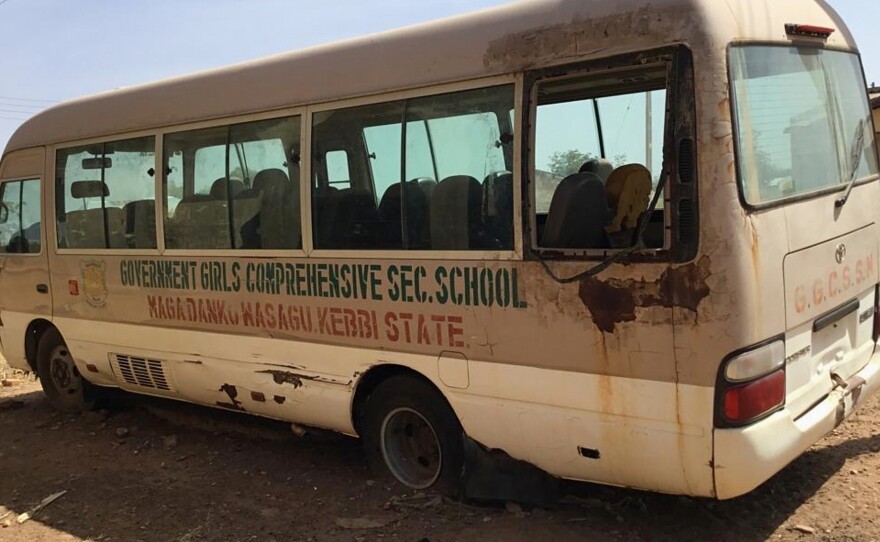
Student Abduction in Nigeria: Gunmen Attack Bus, Kidnap Pupils
In a distressing echo of past tragedies, Nigeria’s educational sector has been struck by another violent attack. Gunmen targeted a passenger bus carrying students in the country’s northwest, leading to the abduction of an unknown number of pupils. This latest incident underscores the persistent and grave security challenges facing communities, particularly schoolchildren, across several regions of Nigeria.
A Terrifying Ambush on the Road
The attack occurred in the Kaduna state, a region that has become a hotspot for criminal gang activity and kidnappings for ransom. According to initial reports, the assailants, armed and on motorcycles, ambushed a bus that was transporting students. The vehicle was reportedly en route when it was forcibly stopped by the gunmen.
In the chaos that ensued, the attackers succeeded in seizing multiple students from the bus. While details remain fluid and official numbers are still being confirmed, local authorities and community leaders have activated search and rescue operations. The immediate aftermath has left families in anguish and the broader community in a state of fear and uncertainty.
The Grim Pattern of School Abductions
This event is not an isolated one. It fits into a harrowing pattern of attacks on educational institutions and student travelers in Nigeria, particularly in the north. The most infamous cases include:
- The 2014 abduction of over 270 Chibok schoolgirls by Boko Haram.
- The 2021 kidnapping of students from the Government Science College in Kagara.
- The frequent attacks on schools and highways in Kaduna, Zamfara, and Niger states.
These kidnappings are typically driven by financial motives, with criminal gangs, often referred to locally as “bandits,” seeking large ransoms from families and the government. The psychological toll on the abducted children, their families, and the wider student population is immeasurable, creating a climate of fear that severely disrupts education.
Immediate Response and Ongoing Challenges
Following the attack, security forces, including the police and military, have been deployed to the area to track the kidnappers and secure the students’ release. However, the response is often hampered by significant challenges:
- Vast and Difficult Terrain: The bandits operate in remote, forested areas and rugged terrain that is difficult for security forces to navigate and control.
- Lack of Intelligence: Gaps in local intelligence networks can slow down rescue efforts.
- Negotiation Complexities: The government officially maintains a no-ransom policy, but desperate families often engage in private negotiations, which can further incentivize the criminals.
Community leaders and civil society organizations are calling for a more robust and proactive security strategy to protect schools and major transit routes. There is a growing demand for improved security infrastructure around schools and for safer, coordinated transportation for students in high-risk zones.
The Human Cost: Beyond the Headlines
Behind every statistic is a story of shattered lives. For the abducted pupils, the experience is one of profound trauma. For their parents, the wait is an agonizing ordeal filled with anxiety and helplessness. These attacks also have a catastrophic effect on education in the region. School attendance drops dramatically following such incidents, as parents are too afraid to send their children to class. Some schools are forced to close indefinitely, depriving an entire generation of their right to learn and stunting community development.
The economic impact is also severe. Families are often driven into deep debt to pay ransoms, and the cycle of kidnapping destabilizes local economies, discouraging investment and development.
A Call for Sustainable Solutions
Addressing this crisis requires a multi-faceted approach that goes beyond military intervention. Experts argue that lasting peace will depend on:
- Addressing Root Causes: Tackling the extreme poverty, unemployment, and lack of opportunity that make young people vulnerable to recruitment by criminal gangs.
- Strengthening Community Policing: Building trust between security forces and local communities to improve intelligence gathering and early warning systems.
- Investing in Education Security: Allocating specific funds to fortify schools, provide secure transportation, and train personnel on emergency response.
- Regional Cooperation: Enhancing collaboration between neighboring states and countries to prevent kidnappers from using borders as escape routes.
The Nigerian government has repeatedly pledged to end the scourge of kidnappings. While there have been some successful rescue operations, the frequency of attacks suggests that a more comprehensive and sustainable strategy is urgently needed.
Conclusion: The Imperative to Protect the Future
The abduction of students from a passenger bus in Kaduna is a stark reminder of the vulnerability of Nigeria’s youth. Each attack is not just a crime against individuals but an assault on the nation’s future. Education is the bedrock of development, and when children are afraid to go to school, the very foundation of progress is undermined.
The international community continues to watch with concern, offering support where possible. However, the primary responsibility and the most effective solutions lie within Nigeria. It is a moment that calls for decisive leadership, unwavering commitment to security sector reform, and a deep investment in the socio-economic well-being of the most affected communities. The safe return of every abducted child must be the immediate priority, but the long-term goal must be to create an environment where such terrifying ambushes become a thing of the past, and every child can pursue an education in peace and safety.

