
Federal Staffing Changes Put Northwest Territories Parks Workers Under Review
In Canada’s Northwest Territories, protecting vast wilderness areas often depends on employees working far from major urban centres. A change in staffing at a national park or historic site can therefore have implications beyond individual jobs, particularly when teams operate in smaller communities.
Parks Canada is reviewing positions across the country as part of a broader federal workforce reduction plan. On October 23, 2026, the agency confirmed that 67 of its 147 employees in the Northwest Territories had been identified as affected by the review, prompting criticism from the Public Service Alliance of Canada (PSAC).
The figures do not mean that 67 people have been confirmed for layoffs. Instead, their positions are subject to further assessment, with final decisions expected in the coming weeks, according to Parks Canada.
What the Latest Parks Canada Figures Reveal
The updated numbers provide a clearer picture of how the federal review could affect the Northwest Territories. Parks Canada employs people in indeterminate, term, casual, and student positions across the territory.
Of those 147 employees, 67 were identified as affected. That represents approximately 45.6 percent of the reported workforce, or nearly half of Parks Canada’s employees in the territory.
According to reporting by Cabin Radio, the affected employees were scheduled to receive notification letters between Wednesday and Friday of that week. These letters indicate that a position may be changed, relocated, or eliminated, but they do not establish that a job loss will occur.
The distinction matters because the review is still underway. Some positions may remain unchanged, while others could be altered or discontinued after the assessment process is completed.
How the Federal Review Fits Into Nationwide Cuts
The changes in the Northwest Territories form part of a larger federal effort to reduce the size of Canada’s public service. Parks Canada previously reported that just under 3,000 employees nationwide would receive letters informing them of their employment status.
The agency estimated that the overall reductions would amount to approximately 500 full-time positions. This figure refers to full-time-equivalent positions across the national organization, rather than 500 confirmed layoffs in the Northwest Territories.
The federal government has described its broader objective as bringing public service staffing back to a more sustainable level. Parks Canada’s position assessments are part of that effort to align operations with available funding.
However, the practical effects will depend on which activities are reduced, which positions change, and how responsibilities are distributed after decisions are finalized.
Why PSAC North Is Raising Concerns
PSAC North represents Parks Canada employees in the Northwest Territories and has criticized the proposed reductions. The union argues that staffing decisions need to account for the realities of delivering services across a geographically large territory with relatively small communities.
Josée-Anne Spirito, the regional executive vice-president for PSAC North, said the reductions could threaten services that depend on experienced employees. Her concerns include the possible loss of specialized knowledge and the difficulty of maintaining effective operations if experienced staff leave.
The union also emphasized that a substantial portion of the positions under consideration are based directly at parks, national historic sites, and waterways. These employees contribute to day-to-day operations at the places Parks Canada is responsible for managing.
PSAC North’s position is that staffing reductions could affect both employees and the public services they provide. These are the union’s concerns about the potential consequences; the final effects cannot be established until Parks Canada completes its review.
Why Staffing Matters in Northern Communities
The Northwest Territories presents distinct logistical challenges for public service delivery. Employees may be based in small communities rather than large regional centres, and providing services across remote areas can require specialized local knowledge and careful coordination.
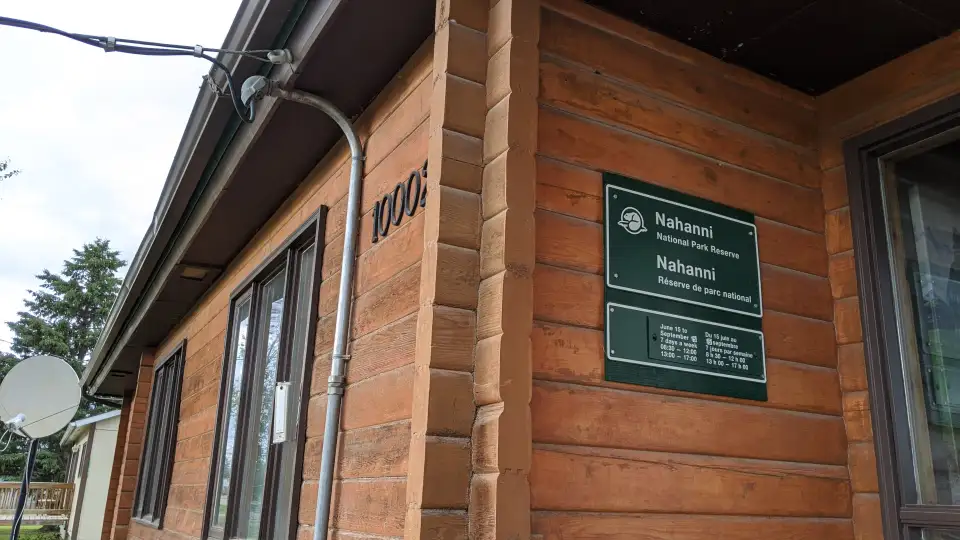
Parks Canada operates in several parts of the territory, including areas associated with Wood Buffalo National Park and Nahanni National Park Reserve. The agency’s presence includes offices and operational facilities that support its responsibilities for protected places.
At Nahanni National Park Reserve, for example, Parks Canada’s office in Fort Simpson is part of the agency’s local presence. Changes affecting staff in locations such as this must be considered within the context of the work those teams perform and the arrangements available to maintain services.
Potential consequences of staffing changes will vary according to the positions involved. If a role is relocated, its effect may differ from that of a position eliminated entirely or one that remains unchanged.
For nearby communities and visitors, the relevant questions include whether existing services will continue, how operational responsibilities will be covered, and whether specialized expertise will remain available. The reported figures alone do not establish that a particular park will close or that a specific visitor service will be reduced.
What Parks Canada Says Will Happen Next
Parks Canada has said the affected roles will undergo additional assessment. The agency expects to communicate final decisions in the coming weeks, making the next stage of the review important for employees and communities seeking clarity.
The process is intended to determine which positions will remain as they are, which will change, and which may be eliminated. Until those decisions are made, receiving an affected letter should not be interpreted as confirmation of a layoff.
The outcome may also differ between regions and individual work units. National totals describe the overall scope of the workforce review, but they do not explain the final staffing arrangements for every park, historic site, or waterway.
What Employees and Visitors Can Do Now
Employees who receive an affected letter should review the information provided by Parks Canada and seek clarification through the agency’s established workplace channels. Union members can also contact PSAC North for information about representation and applicable employment processes.
Visitors planning trips to national parks or historic sites in the Northwest Territories should continue to consult official Parks Canada pages for current opening information, visitor services, access conditions, and any operational notices. It would be premature to change travel plans solely because employees have been identified as affected.
Community members who depend on particular services can monitor announcements from Parks Canada and ask the relevant office for confirmed information about any changes. Checking directly with the responsible agency is more reliable than assuming that a workforce review automatically means a facility will close.
Frequently Asked Questions
How many Parks Canada employees in the NWT could be affected?
Parks Canada reported that 67 of its 147 employees in the Northwest Territories had been identified as affected. This is approximately 45.6 percent of the reported territorial workforce, but it does not mean that all 67 employees will lose their jobs.
How many positions are expected to be cut across Canada?
Parks Canada estimated that its nationwide staffing reductions would equal approximately 500 full-time positions. Just under 3,000 employees across the country were expected to receive letters about their employment status, a separate figure from the anticipated full-time-equivalent reductions.
When will final decisions be announced?
Parks Canada said final decisions were expected in the coming weeks as of October 23, 2026. Employees and members of the public should check for subsequent announcements rather than assume that the assessment has already concluded.
What to Watch in the Coming Weeks
The next important development will be Parks Canada’s final decisions on the positions currently under review. Those decisions should clarify how the agency intends to organize its workforce and which roles, if any, will be eliminated or changed in the Northwest Territories.
For PSAC North, the focus will remain on the effects of the changes on employees and the services they deliver. For communities and visitors, the priority is obtaining reliable information about any confirmed operational adjustments at individual parks and historic sites.
Until the review concludes, the most useful approach is to distinguish between positions under assessment and confirmed job losses. Updates from Parks Canada and PSAC North will help establish what changes are actually taking place and what they mean for the territory’s protected places and the people who care for them.