
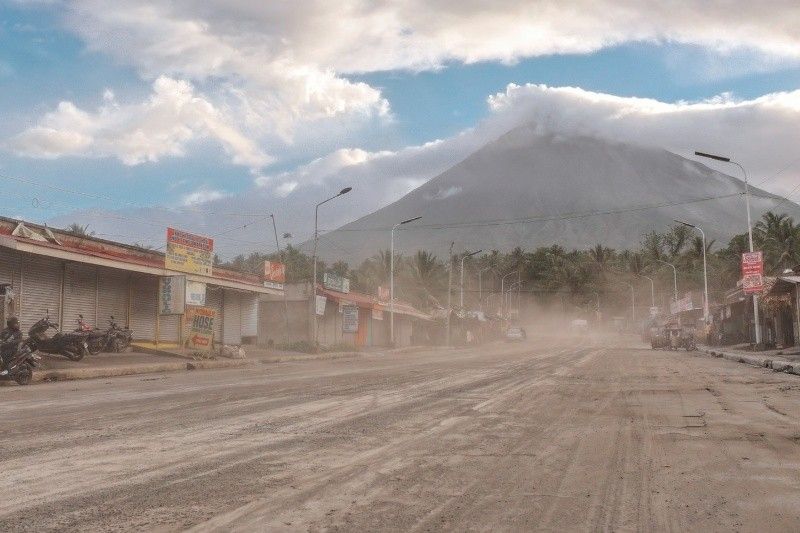
Philippine Volcano Crisis: Over 300 Families Evacuated Amid Dangerous Ashfall
The quiet rhythm of life in the central Philippines was shattered this week as a volcano, long considered a ticking time bomb, sent a plume of ash and steam miles into the sky. In a swift and organized response, authorities ordered the evacuation of more than 300 families from communities lying in the shadow of the erupting peak, highlighting the persistent and volatile threat posed by the archipelago nation’s countless active volcanoes.
This event, centered on the increasingly restless Kanlaon Volcano on Negros Island, is not a simple geological spectacle. It is a stark reminder of the complex risks that govern life in the Pacific Ring of Fire, where the earth’s raw power can upend daily existence in a matter of minutes. For the evacuees, the immediate danger is not just the slow crawl of lava, but the silent, insidious threat of volcanic ashfall.
The Immediate Crisis: Ashfall Triggers Mass Evacuation
On Monday morning, the Philippine Institute of Volcanology and Seismology (PHIVOLCS) recorded a phreatic eruption at Kanlaon Volcano. This type of eruption occurs when magma heats groundwater or surface water, creating explosive bursts of steam, rock, and ash. The resulting column of ash rose over a kilometer high and drifted west-southwest, blanketing several barangays (villages) in a fine, gray powder.
The official count stands at over 300 families displaced, but local disaster response teams report the number could rise as the ash continues to fall. The evacuated residents have been moved to temporary shelters, primarily school buildings and community centers, where they are receiving food, water, and medical check-ups.
The primary impacts on the ground include:
- Respiratory distress: Fine ash particles can cause severe irritation to the lungs and eyes, posing a significant risk to children, the elderly, and those with pre-existing conditions like asthma.
- Water contamination: Ash has sullied local water sources, forcing residents to rely on bottled water and tankers provided by the government.
- Agricultural damage: A thick layer of ash smothers crops, poisons the soil with sulfur compounds, and can collapse roofs of farm buildings under its weight.
Local officials have declared a state of calamity in the affected areas, unlocking emergency funds for relief and rehabilitation. The priority remains ensuring the safety of the population while PHIVOLCS continues to monitor seismic activity beneath the volcano.
A Closer Look at the Geological Trigger
To understand the severity of this event, one must understand Kanlaon. It is one of the most active volcanoes in the Philippines, with a history of eruptions dating back centuries. However, this particular event is unique because of its phreatic nature. Unlike a magmatic eruption which spews molten rock, a phreatic blast is more unpredictable. It can happen with very little warning and often serves as a precursor to a larger, more dangerous eruption.
What PHIVOLCS is watching for:
- Seismic swarms: An increase in volcanic earthquakes indicates magma is moving underground.
- Ground deformation: Bulging of the volcano’s slopes suggests pressure is building.
- Gas emission: A spike in sulfur dioxide (SO2) levels is a classic sign of magma nearing the surface.
As of the latest bulletin, SO2 emission rates had already quadrupled in the week leading up to the ash eruption. This data suggests that while the current event is steam-driven, the potential for a magmatic eruption in the coming weeks remains elevated.
Why Ashfall is the Silent Threat
While dramatic images of glowing lava often dominate headlines, volcanologists will tell you that ash is the real killer. Volcanic ash is not soft, fluffy material like wood ash. It is made of tiny, jagged particles of rock, mineral, and volcanic glass.
The hazards extend far beyond the immediate blast zone:
Health Hazards:
The microscopic glass shards can abrade the cornea and scratch the lining of the lungs, leading to silicosis and chronic bronchitis. In areas with heavy ashfall, hospital emergency rooms are typically inundated with patients suffering from acute respiratory distress and eye injuries.
Infrastructure Collapse:
Dry volcanic ash is surprisingly heavy. A layer just a few inches thick can collapse roofs, especially those made of corrugated metal or weak materials. This is a primary reason for the mandatory evacuation—to protect families from structures that may fail.
Aviation and Machinery:
Ash clouds are highly conductive and can cause jet engines to fail mid-flight. This is why air traffic over the region has been restricted. Ash also infiltrates machinery, clogging air filters and grinding down moving parts in cars, generators, and farm equipment.
Livestock and Agriculture:
Animals that graze on ash-covered grass ingest the abrasive particles, which can wear down their teeth and cause internal bleeding. Crops are destroyed not just by the weight, but by the toxic chemicals that leach into the soil.
Comparing Past Eruptions: Lessons from Taal and Pinatubo
The Philippines has a grim mastery when it comes to volcanic disaster management. The response to Kanlaon is a direct result of lessons learned from catastrophic events.
The 1991 eruption of Mount Pinatubo is considered one of the largest eruptions of the 20th century. While it killed hundreds, tens of thousands of lives were saved because of a preemptive, large-scale evacuation. The current strategy for Kanlaon mirrors that playbook: evacuate early, evacuate widely.
More recently, the 2020 eruption of Taal Volcano near Manila demonstrated the specific dangers of phreatic activity. That eruption hurled ash columns 14 kilometers high and forced the evacuation of over 500,000 people. It highlighted how quickly a seemingly dormant volcano can awaken and disrupt the lives of millions.
From these events, we have learned that:
- Distance is deceptive. Ash can travel hundreds of kilometers, impacting regions that feel no shaking or hear no explosions.
- Visibility is zero. “Ashfall darkness” is a real phenomenon where the sun is completely blocked, making driving and rescue operations extremely dangerous.
- Evacuation fatigue is a factor. Many residents return home too early, only to be caught by a second, more violent eruption.
The Government Response and Community Resilience
The Philippine government, through the National Disaster Risk Reduction and Management Council (NDRRMC), has activated its protocols. Military trucks are being used to transport residents, while local health units are distributing face masks and goggles.
Key actions taken so far:
- Establishment of “no-go zones” within a 4-kilometer radius of the summit.
- Distribution of N95 masks to prevent silicosis.
- Coordination with airlines to ensure flight paths avoid the ash cloud.
- Setting up water purification systems to combat contamination.
However, the true story here is the resilience of the local community. Many of these families are farmers who are leaving behind not just their homes, but their livelihoods.
“We’ve been through this before,” one evacuee told local media. “We know the drill. We take the animals, we grab our documents, and we leave. The mountain gives us life, but it can also take it away.”
This blend of respect and caution is vital. It allows for a rapid, compliant evacuation that saves lives.
The Road Ahead: Monitoring and Preparedness
As of the latest PHIVOLCS update, the alert level remains at Level 2 (Increased Unrest). This means that although the eruption is likely phreatic, it could progress to a magmatic explosion at any moment.
What needs to happen next:
- Sustained Scientific Monitoring: PHIVOLCS teams are on the ground, measuring gas outputs and monitoring for ground deformation.
- Public Education: Continuous information campaigns are needed, especially regarding the long-term health effects of ash inhalation.
- Economic Support: The government must provide financial aid for the lost agricultural season. If farmers are forced to return to their fields too soon, they risk their lives.
- Infrastructure Audits: All buildings in the evacuation zone must be inspected for ash load damage before residents can return.
The evacuation of over 300 families is a significant disruption, but it is a classic case of successful disaster risk reduction in action. By acting on the data provided by geologists and respecting the power of the volcano, the authorities have likely prevented a much greater tragedy.
For the residents of Negros Island, the wait is now on. The mountain will eventually quiet down. The ash will clear. But as the Philippines continues to sit on the Ring of Fire, the cycle of eruption and evacuation is a price of living on one of the most dynamic, and dangerous, landscapes on Earth. The nation watches Kanlaon closely, ready for whatever comes next.

