Why Riyadh’s Airport Reopening Matters
For travelers, an airport reopening can mean flights returning to normal schedules, connections becoming available again, and plans that were interrupted finally moving forward. In Riyadh, however, the restoration of service comes against a backdrop of continued security concerns involving Yemen’s Houthi movement.
King Khalid International Airport announced that terminals 1 and 2 had reopened for domestic and international flights on Sunday, October 25. Limited domestic services had already resumed the previous week, following the earlier disruption.
The earlier attacks in October struck a complex containing two other terminals, killing 17 people and injuring more than 330, according to The Associated Press. The reopening is therefore a significant operational development, but it should not be mistaken for evidence that the wider security situation has stabilized.
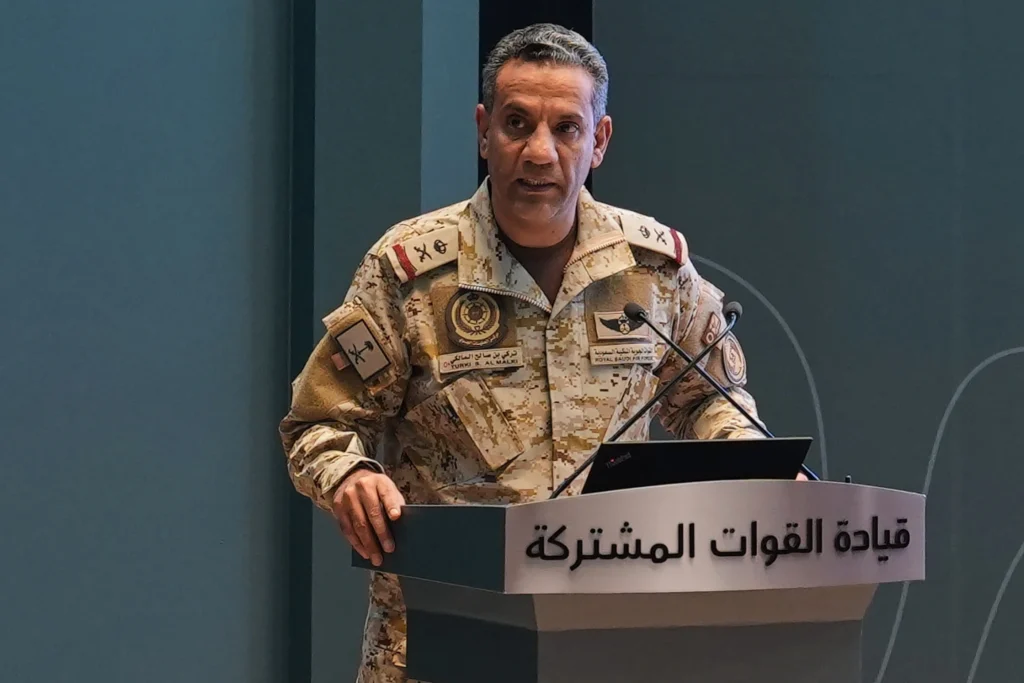
Saudi military spokesman Maj. Gen. Turki al-Maliki reported that air defenses intercepted a ballistic missile and a drone headed toward Riyadh early Sunday. He also reported that 10 ballistic missiles aimed at the kingdom’s southern region had been intercepted.
Houthi Attacks Keep Security Concerns High
The Houthi movement operates in Yemen and has launched attacks involving missiles and drones against targets in the region. The group is backed by Iran, although its actions and the broader regional conflict involve several distinct political and military interests.
The reported interceptions on Sunday illustrate why airport operations and security assessments must be considered separately. An airport may resume service while military authorities continue responding to threats elsewhere in the country.
For passengers, the practical priority is to verify flight information directly with the airline and airport before leaving for a journey. Travelers with connecting flights should also confirm that their onward services remain scheduled, since regional disruptions can affect routes beyond the airport directly involved.
Anyone planning travel through Riyadh should monitor official airport notices and government travel advisories. The reopening announcement confirms that terminals 1 and 2 resumed operations, but it does not guarantee that every flight will operate without changes.
Israeli Military Operations Expand in the West Bank
Elsewhere in the Middle East, Israeli forces continued a large operation in the occupied West Bank following an attack in Hebron on Friday that killed two Israeli soldiers and wounded three others.
The ensuing operation involved arrests, building demolitions, crossing closures, and restrictions affecting Palestinian movement. The municipality reported that approximately 2,200 people had been displaced, highlighting the effects of the operation on local communities.
Israeli authorities also announced restrictions barring Palestinian laborers from working in Israeli settlements. The measures came just days before Israel’s scheduled election on Tuesday, October 27, placing security policy and Prime Minister Benjamin Netanyahu’s leadership at the center of the political discussion.
The election is widely viewed as a test of public opinion regarding Netanyahu’s leadership and his government’s handling of the conflicts of recent years. Israel has more than 7.3 million registered voters, and polling suggested a closely contested race.
Tens of thousands of Israelis living abroad were expected to return to vote, according to the reporting. However, their influence on the final result remained uncertain, and Israeli law generally requires citizens to vote in person within the country, with limited exceptions for certain official representatives.
Developments in Gaza and Iran Add to Regional Uncertainty
The situation in Gaza also remained serious. Palestinian hospital officials reported that Israeli strikes on Sunday killed seven people and injured eight others.
Gaza’s Health Ministry reported that more than 1,500 Palestinians had been killed in Israeli strikes since a ceasefire began in October 2025. These figures were attributed to Palestinian health authorities in the reporting and should be understood in that context.
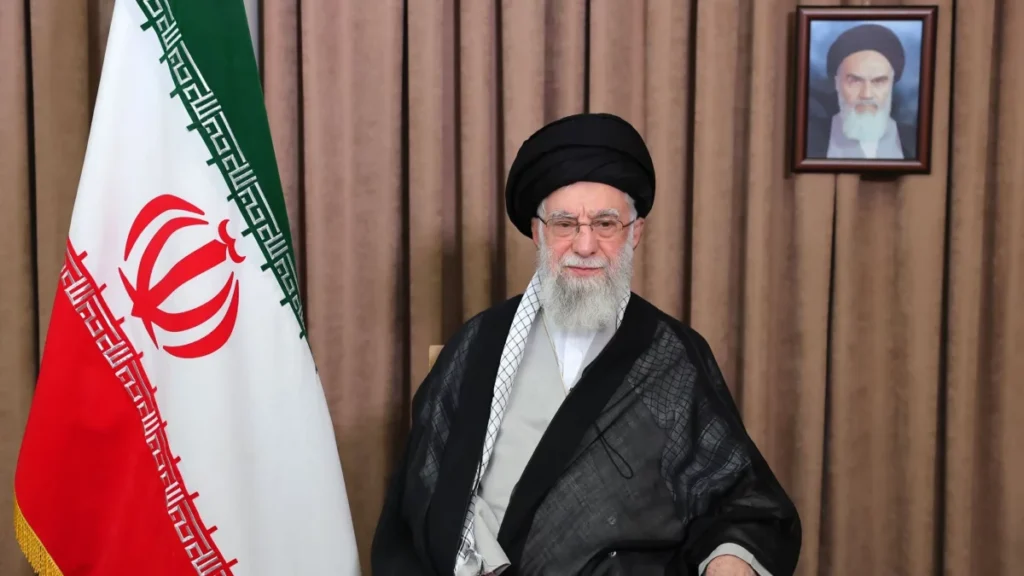
In Iran, Foreign Minister Abbas Araghchi addressed renewed threats of war and said that Tehran’s policies would remain in place regardless of whether another conflict occurred. He also warned the United States against renewed strikes and reiterated Iran’s stated willingness to cooperate with neighboring Arab countries in the Persian Gulf.
His remarks reflected Iran’s position amid continued regional uncertainty. They did not, by themselves, establish that a new agreement had been reached or that the possibility of further military action had been eliminated.
These developments show that the regional picture extends well beyond a single airport or military incident. Security concerns, political decisions, civilian displacement, and diplomatic statements are unfolding in several locations at once, with potentially different consequences for each country.
Libya Responds to Trump’s Remarks
Libya also entered the regional news cycle after Prime Minister Abdulhamid Dbeibah rejected comments by U.S. President Donald Trump that included Libya among countries he described as affected by terrorism.
Trump made the remarks at a campaign rally in Georgia on Saturday, October 24. Dbeibah responded by defending Libya’s people and their role in combating terrorism.
Libya has faced prolonged political division since the 2011 uprising and civil war that removed longtime ruler Moammar Gadhafi from power. Rival administrations and armed groups continue to shape its political environment, complicating efforts to establish lasting stability.
The exchange illustrates how political statements can add another dimension to already complicated international relationships. The response from Libya’s prime minister was a diplomatic reaction to Trump’s characterization, rather than a report of a new military development inside Libya.
What Travelers and News Readers Should Watch Next
For travelers, the most immediate action is to check current flight status, airline notifications, and official travel guidance before departing. Anyone visiting Saudi Arabia or connecting through Riyadh should avoid assuming that restored airport operations mean all regional risks have ended.
For readers following the broader situation, the next developments to watch include further Saudi security announcements, changes to airport services, the outcome of Israel’s October 27 election, and updates concerning the West Bank and Gaza.
Diplomatic statements from Iran and Libya may also help clarify how regional governments respond to renewed threats and political pressure. These statements should be assessed alongside confirmed events rather than treated as proof that tensions have either escalated or subsided.
The reopening of Riyadh’s airport is an important step toward restoring normal air travel, but it is only one part of a much wider regional story. Checking reliable updates before making travel or business decisions remains the most practical way to respond as conditions continue to develop.