
Severe Michigan Thunderstorms Cause Major Damage to Ice Arenas
A powerful line of severe thunderstorms tore across the state of Michigan this week, leaving a trail of significant structural damage, uprooted trees, and widespread power outages in its wake. The storms, which packed damaging straight-line winds and heavy rainfall, took a particularly heavy toll on community hubs, with at least two ice arenas suffering catastrophic damage. The severe weather event serves as a stark reminder of the destructive potential of summer storms in the Great Lakes region.
A Swath of Destruction Across the State
The thunderstorms developed and intensified rapidly, moving across Michigan with fierce intensity. The National Weather Service had issued severe thunderstorm warnings ahead of the system, but the sheer force of the winds exceeded many expectations. Reports and images from affected communities show a landscape transformed by the storm’s fury.
Key impacts from the storms included:
- Widespread wind damage to buildings, roofs, and siding.
- Numerous large trees and power lines downed, blocking roads and cutting electricity to tens of thousands.
- Localized flooding from torrential downpours.
- Significant property damage to both private homes and public infrastructure.
Emergency services were stretched thin responding to countless calls for help, while utility crews worked around the clock to begin the massive task of restoring power. The clean-up effort across multiple counties is expected to take days, if not weeks.
Ice Arenas Bear the Brunt of the Storm
While many structures were affected, the damage to two specific ice arenas has captured statewide attention, highlighting the vulnerability of such large-span buildings to extreme weather.
Total Collapse in St. Johns
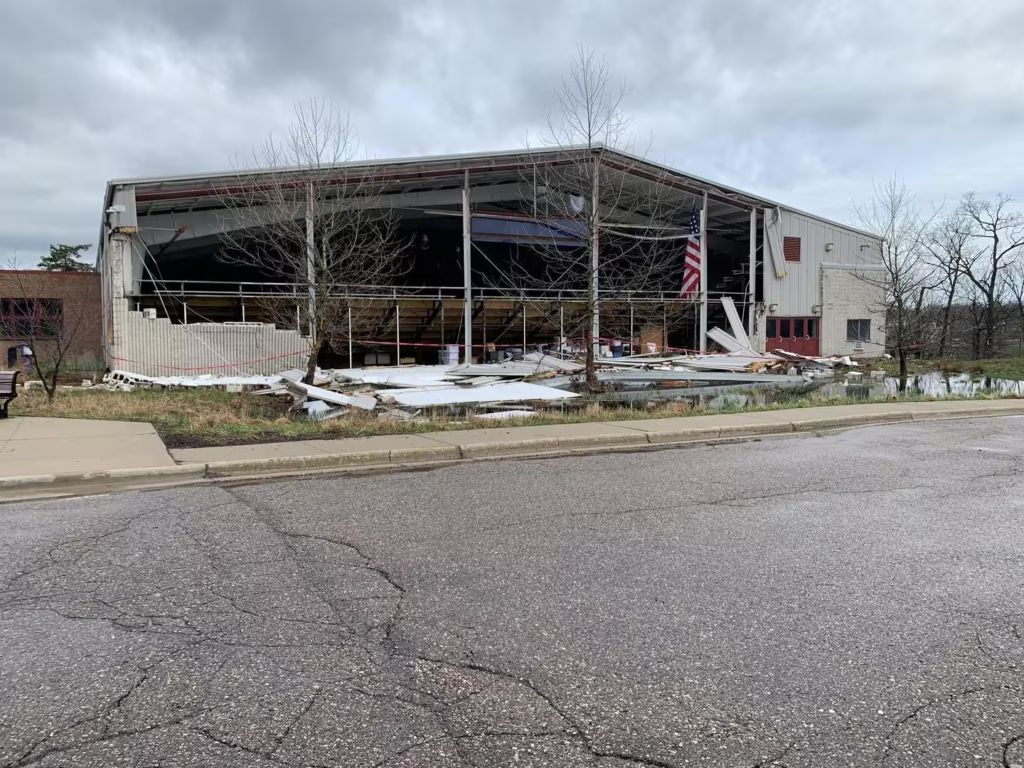
In a devastating blow to the community of St. Johns, the popular Summit Sports and Ice Complex was almost completely destroyed. The storm’s powerful winds ripped the roof off the main arena, causing the exterior walls to collapse inward. Shocking photographs show the facility reduced to a pile of twisted steel, concrete blocks, and shattered insulation. The complex was home to youth and adult hockey leagues, figure skating, and public skating sessions, making it a central gathering place for the area. Fortunately, the arena was unoccupied at the time of the collapse, preventing potential tragedy.
Major Damage in Lansing
Roughly 20 miles away, the storm also ravaged the Lansing Summit Sports and Ice Arena, a facility under the same ownership. While not a total collapse, this arena sustained extreme damage. Large sections of the roof and exterior walls were peeled away by the wind, leaving the interior exposed to the elements. The damage is so severe that the structural integrity of the entire building is in question. Like its St. Johns counterpart, this arena is a vital part of the local sports community and its loss will be deeply felt.
The Community and Economic Impact
The destruction of these arenas extends far beyond physical damage. These facilities are economic engines and social cornerstones.
The immediate consequences are multifaceted:
- Lost Seasons and Displaced Athletes: Hundreds of hockey players, figure skaters, and speed skaters of all ages have seen their seasons abruptly halted. Teams are now scrambling to find scarce ice time at other facilities, often far from their home rink.
- Economic Ripple Effect: The arenas employed staff, hosted tournaments that brought visitors to local hotels and restaurants, and supported a network of equipment shops and related businesses. This economic activity has now been disrupted.
- Emotional Toll: For many, these arenas are more than just buildings. They are where children learned to skate, where friendships were forged, and where community identity was strengthened. Their loss is a profound emotional blow.
Owners and community leaders have already begun discussing the long road to rebuilding, a process that will involve navigating insurance, construction timelines, and significant fundraising efforts.
Understanding the Power of Straight-Line Winds
While tornadoes often grab headlines, this event was primarily driven by destructive straight-line winds, a common feature of severe Midwestern thunderstorms. These winds are caused by powerful downdrafts that spread out violently when they hit the ground. They can often reach speeds equivalent to a weak tornado and cause similar types of damage over a broad area.
Key facts about this storm threat:
- The National Weather Service will conduct storm surveys to determine if any tornadoes were embedded within the larger wind event, but the widespread, directional nature of the damage often points to straight-line winds.
- Such winds are particularly dangerous to structures with large, flat roofs—like ice arenas, warehouses, and big-box stores—which can act like sails and suffer uplift failure.
- This event underscores the critical importance of heeding all severe thunderstorm warnings, not just tornado warnings, as the dangers from extreme wind and lightning are life-threatening.
Recovery and Resilience Moving Forward
In the aftermath of the storms, the spirit of Michigan communities is shining through. Neighbors are helping neighbors clear debris, social media is filled with offers of support for displaced sports teams, and discussions about rebuilding have begun with a focus on resilience.
The path forward will involve:
- Comprehensive damage assessments by engineers and insurance adjusters.
- Community-led initiatives to support affected employees and athletes.
- Thoughtful planning for reconstruction, potentially incorporating more robust building designs to withstand future severe weather events.
The severe thunderstorms that ripped across Michigan have left indelible marks on the landscape and the community. The dramatic images of the destroyed ice arenas will stand as a powerful testament to the storm’s fury. Yet, they will also become the backdrop for a story of recovery, highlighting the resilience and determination of the people who call these communities home. As clean-up continues, the focus is now on supporting one another and laying the groundwork for rebuilding what was lost.

