Canadians: Share Your Experience with Blinding Headlight Glare
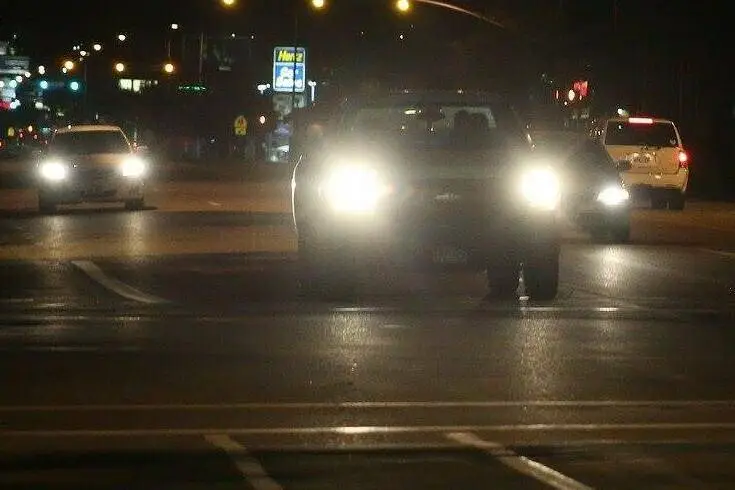
If you’ve driven at night in recent years, you’ve likely experienced it: the sudden, searing flash of oncoming headlights that leaves you momentarily blinded, squinting to see the road ahead. This isn’t just a minor annoyance; for many, it’s a genuine safety hazard. Now, the federal government wants to hear from you. Transport Canada has launched a public consultation, seeking direct input from drivers across the nation on the pervasive issue of modern vehicle headlight glare.
Why Are Modern Headlights So Blinding?
Before we dive into how you can make your voice heard, it’s important to understand the “why” behind the glare. This isn’t about a sudden surge in rude drivers, but rather a perfect storm of technological advancement and vehicle design trends.
The shift to LED and HID bulbs is the primary culprit. These lights produce a much brighter, whiter, and more intense beam than the yellowish light of traditional halogen bulbs. While they offer superior illumination for the driver using them, their cooler colour temperature and intensity can be harsh for oncoming traffic.
Furthermore, the rising popularity of taller vehicles—like SUVs and pickup trucks—means those bright lights are often positioned directly at eye level for drivers of standard sedans and compact cars. Even when correctly aimed, the simple geometry of a high-riding vehicle can cause discomfort.
Finally, issues with improper headlight alignment exacerbate the problem. A headlight that is angled just a few degrees too high transforms from a useful tool into a blinding weapon. This misalignment can occur from factory settings, wear and tear on suspension, or after an accident.
Transport Canada’s Call to Action: Your Opinion Matters
Recognizing the growing chorus of public concern, Transport Canada has initiated a formal consultation process. The government is gathering data and personal experiences to better understand the scope of the problem and to inform potential future regulations or policy changes.
This is a significant opportunity for everyday Canadians to influence automotive safety standards. Regulators are looking for detailed, firsthand accounts to complement their technical data. They want to know:
- How often you experience disruptive headlight glare.
- The specific situations where glare is worst (e.g., on two-lane highways, in rain or fog, from lifted trucks).
- The impact glare has on your driving comfort and sense of safety.
- Your opinions on potential solutions, from stricter aiming standards to adjustments in headlight technology itself.
How to Participate in the Consultation
Participating is straightforward and designed to be accessible to all drivers. Transport Canada is accepting comments via an online questionnaire. You don’t need to be a lighting engineer to contribute; your lived experience as a driver is the most valuable input.
When you provide your feedback, be as specific as possible. Instead of just saying “headlights are too bright,” describe a recent incident. For example: “Last Tuesday, on Highway 1, an oncoming SUV’s LED lights caused such severe glare that I had to slow down and focus on the shoulder line for nearly 10 seconds until my vision readjusted.” These concrete stories powerfully illustrate the real-world risk.
The Safety Implications: More Than Just an Annoyance
Dismissing headlight glare as a simple inconvenience is a mistake. The safety consequences are real and measurable. The temporary blindness caused by intense glare creates a dangerous period of reduced contrast sensitivity and impaired night vision.
During those critical seconds, a driver may fail to see:
- A pedestrian or cyclist on the side of the road.
- An animal crossing the highway.
- A sharp curve or change in road conditions.
- The taillights of the vehicle in front of them, increasing rear-end collision risk.
For older drivers, whose eyes take longer to recover from bright lights, and for those with certain eye conditions, the effect can be even more pronounced and prolonged. This isn’t just about comfort; it’s about preventing accidents and saving lives.
Potential Paths Forward: What Could Change?
The public consultation is the first step in a regulatory process. The feedback gathered will help Transport Canada evaluate a range of potential solutions. Some of the options on the table, which are already being discussed or implemented in other jurisdictions, include:
1. Stricter Regulations on Headlight Aim and Intensity
Canada could adopt more rigorous standards for how headlights are aimed at the factory and require periodic checks. There are also calls to set limits on the maximum luminous intensity (brightness) of headlights, especially for high-beam and auxiliary lights.
2. Mandating Adaptive Driving Beam (ADB) Technology
This is a promising technological fix. ADB systems use sensors and cameras to detect oncoming vehicles and automatically shade or dim specific segments of the headlight beam to avoid glaring them, while still keeping the rest of the road fully illuminated. The U.S. recently approved this technology, and Canada may follow suit, potentially making it a required feature.
3. Improved Vehicle Design and Standardization
Regulations could encourage or require automakers to consider glare mitigation in vehicle design—such as standardizing headlight mounting heights or improving the cut-off line of headlight beams to create a sharper distinction between lit and dark areas.
4. Public Awareness and Enforcement
A parallel effort could involve educating drivers on the importance of proper headlight maintenance and encouraging them to check their headlight aim, especially after carrying heavy loads or modifying their suspension. Increased enforcement of existing rules against improperly aimed or overly bright aftermarket lights could also play a role.
Make Your Voice Heard: A Chance to Shape Safer Roads
The issue of blinding headlights has moved from watercooler complaints to the desks of federal policymakers. This consultation represents a tangible chance for Canadian drivers to advocate for change that will make our nighttime roads safer for everyone.
Whether you’re a commuter, a long-haul trucker, a rural resident, or a parent driving the family home after evening activities, your perspective is valid and needed. By sharing your story with Transport Canada, you contribute to a data-driven understanding of a problem that affects millions.
The road to safer night driving starts with your input. Take the time to visit Transport Canada’s consultation page and describe your experiences with headlight glare. Together, Canadians can push for solutions that ensure advanced lighting technology illuminates the path forward without blinding others along the way.