
Trump-Brazil Summit: What the White House Meeting Means for Trade and Security in the Americas
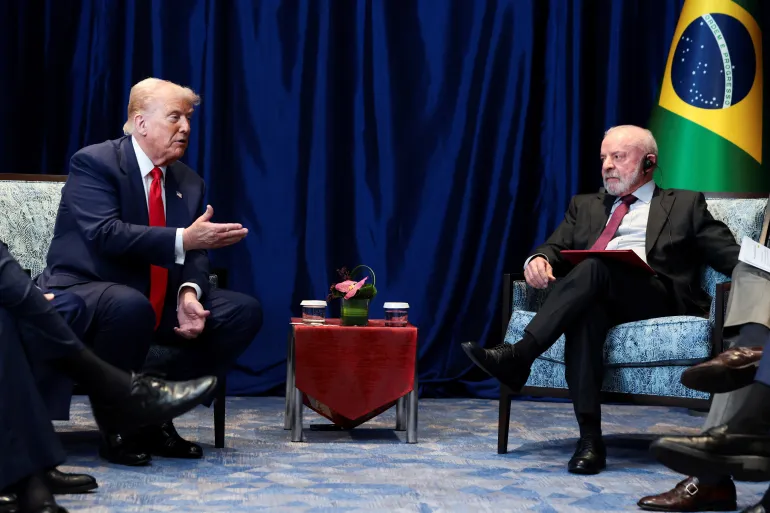
The White House is preparing to host a high-stakes diplomatic meeting that could reshape trade and security dynamics across the Western Hemisphere. Former President Donald Trump is set to meet with Brazil’s head of state for discussions focused on bilateral trade, energy cooperation, and regional security.
According to a White House official, the agenda reflects the growing interdependence between the two largest economies in the Americas.
This summit comes at a time when both countries face pressure from supply chain disruptions, inflation, and shifting geopolitical alliances. For observers of inter-American relations, this is more than a routine meeting—it signals a strategic recalibration.
Why This Bilateral Meeting Matters Now
The relationship between the United States and Brazil has always been complex, shaped by economic alignment and occasional policy differences. Today, the stakes are significantly higher.
Economic Imperatives
Brazil is a global force in agriculture, renewable energy, and manufacturing. It is one of the world’s largest exporters of commodities like soybeans and beef, while also producing aircraft and industrial goods.
For the United States, Brazil represents the largest economy in Latin America and a key export market.
Key topics expected in the discussions include:
- Tariff alignment – reducing barriers for industrial and agricultural goods
- Supply chain diversification – shifting production away from Asia
- Energy cooperation – collaboration on oil, gas, and renewables
- Digital trade – setting standards for data flow, e-commerce, and cybersecurity
Closer coordination between the two economies could unlock significant cross-border investment.
Security Concerns That Cross Borders
Security challenges in Brazil have direct implications for the United States.
Shared concerns include:
- Illegal mining and deforestation linked to organized crime
- Drug trafficking routes through Latin America
- Human smuggling networks
- Cyber threats targeting infrastructure
A joint statement is expected to include stronger intelligence sharing and coordinated efforts against transnational crime. For U.S. agencies, deeper cooperation with Brazil could significantly improve enforcement outcomes.
The Personal Dimension: Leadership Chemistry
The relationship between Trump and Brazil’s president adds another layer to the talks. Both leaders have publicly expressed alignment on economic nationalism and law-and-order policies.
This dynamic could influence key negotiations, including:
- Environmental policy – balancing economic growth with Amazon protection
- Intellectual property – resolving long-standing disputes
- Military cooperation – countering foreign influence in the region
While some critics view leader-driven diplomacy as symbolic, experienced negotiators recognize that personal trust can accelerate agreements.
What American Citizens Should Watch
The outcomes of this meeting will have real-world effects beyond diplomacy.
Impact on Prices and Inflation
Brazil is a major exporter of key commodities such as coffee, sugar, and beef. Trade agreements could lower costs for U.S. consumers, while stalled talks may keep prices elevated.
Energy cooperation could also affect fuel prices, particularly if the U.S. increases imports from Brazil.
Border Security and Drug Flow
Brazil serves as a major transit hub for illicit goods moving through Latin America. Improved coordination could help reduce the flow of drugs into the United States and strengthen enforcement efforts.
National Security and Global Influence
As China expands its presence in South America, the U.S. sees Brazil as a strategic partner. Stronger ties could help counterbalance foreign influence and protect key trade routes and regional interests.
Risks and Potential Challenges
Despite its importance, the summit faces several challenges.
- Environmental concerns – Brazil’s Amazon policies remain controversial
- Labor and human rights – issues in agriculture and mining sectors
- Political criticism – concerns about democratic governance
Any agreement will need to balance these concerns with economic and security objectives.
What It Means for Businesses and Policymakers
For companies operating across both markets, this summit presents important opportunities.
Businesses should:
- Monitor tariff changes closely
- Prepare for new digital trade regulations
- Engage in policy discussions through industry groups
For policymakers, this meeting offers a chance to strengthen a long-term partnership that has historically been underutilized.
Bottom Line
This summit is more than a diplomatic event—it is a strategic moment for the United States and Brazil.
Its outcomes will influence trade flows, security cooperation, and geopolitical alignment across the Americas.
Whether you are an investor, business leader, or concerned citizen, the impact of these discussions will extend far beyond the White House.

