
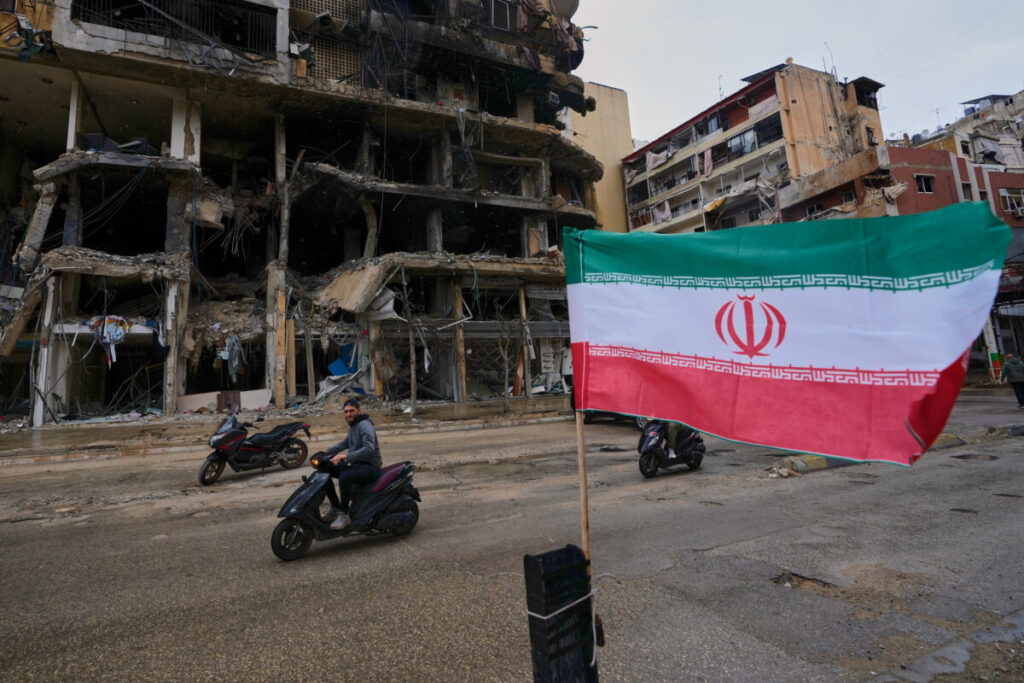
Why Trump’s ‘Historic’ Middle East Peace Deals Might Actually Spark New Conflicts
The Middle East has never been a region where optimism lasts long. Former President Donald Trump has once again stepped into the spotlight, claiming his administration delivered real progress toward peace. Central to that claim are the Abraham Accords—agreements that reshaped diplomatic ties in the region.
But beneath the headlines, a harder reality remains: many of the root causes of conflict were never resolved. What is framed as progress may also carry the seeds of future instability.
The Claims of Success: What Trump Points To
There’s no denying the significance of the Abraham Accords. They normalized relations between Israel and several Arab nations, including United Arab Emirates, Bahrain, Sudan, and Morocco.
Other achievements often cited include:
- Reduced U.S. military presence in parts of Syria and Iraq
- The killing of Qasem Soleimani, a key Iranian military figure
- Increased diplomatic pressure on groups like Hamas and Hezbollah
On paper, these appear to be meaningful wins. But they do not address deeper structural issues.
The Unresolved Grievances That Could Reignite Conflict
The central challenge is that long-standing disputes remain largely untouched.
The Gaza Crisis
Conditions in Gaza Strip remain severe. Economic hardship, limited infrastructure, and restricted movement continue to shape daily life.
The normalization deals did not directly improve these conditions, leaving frustration unresolved.
Palestinian Statehood
The Abraham Accords largely bypassed the issue of Palestinian statehood. For many, questions of sovereignty, territory, and self-determination remain unanswered.
Iran’s Regional Influence
Despite the death of Qasem Soleimani, Iran’s influence persists through regional networks. Groups aligned with Iran continue to operate across the region.
Extremist Threats
Although ISIS lost its territorial control, its ideology and smaller cells remain active in areas of instability.
Why This Fragile Peace Could Collapse
Normalization agreements can shift alliances, but they don’t necessarily resolve conflicts.
History shows that unresolved tensions tend to resurface. Agreements like the Oslo Accords raised hopes but ultimately fell short of lasting peace.
Potential flashpoints include:
- Renewed violence involving Palestinian groups
- Escalation between Iran and regional rivals
- Internal political pressure within Gulf states
- Power vacuums resulting from shifting U.S. involvement
The Warning Signs Are Already Visible
Recent events suggest underlying tensions remain active:
- Periodic escalations involving Gaza Strip
- Continued military buildup by Hezbollah
- Ongoing conflict involving Houthi movement in Yemen
- Rising concerns about Iran’s nuclear ambitions
These developments highlight the fragility of the current situation.
The Real Question for the Future
Was this approach a foundation for lasting peace—or a temporary pause?
The answer remains uncertain. Agreements like the Abraham Accords represent significant diplomatic progress, but lasting stability requires deeper solutions.
Issues such as governance, economic conditions, territorial disputes, and political representation cannot be set aside indefinitely.
The Bottom Line
The Middle East remains a region shaped by complex and deeply rooted challenges. While diplomatic breakthroughs matter, they must be supported by long-term solutions.
As Donald Trump continues to highlight his administration’s achievements, the broader picture is still unfolding.
What happens next will depend not just on agreements—but on whether the underlying causes of conflict are finally addressed.

