Trump Says Strait of Hormuz Deal Nearly Done: What It Could Mean for Oil and Global Stability
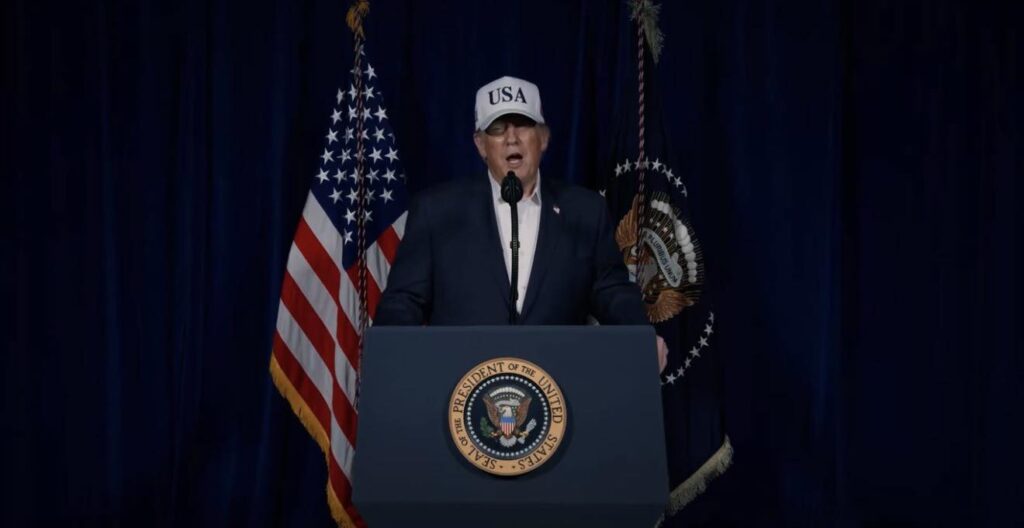
Former U.S. President Donald Trump has claimed that a deal tied to reopening and securing the Strait of Hormuz is “largely negotiated.” If true, it would mark a major shift in one of the world’s most sensitive geopolitical flashpoints—and could quickly ripple through oil markets and global shipping routes.
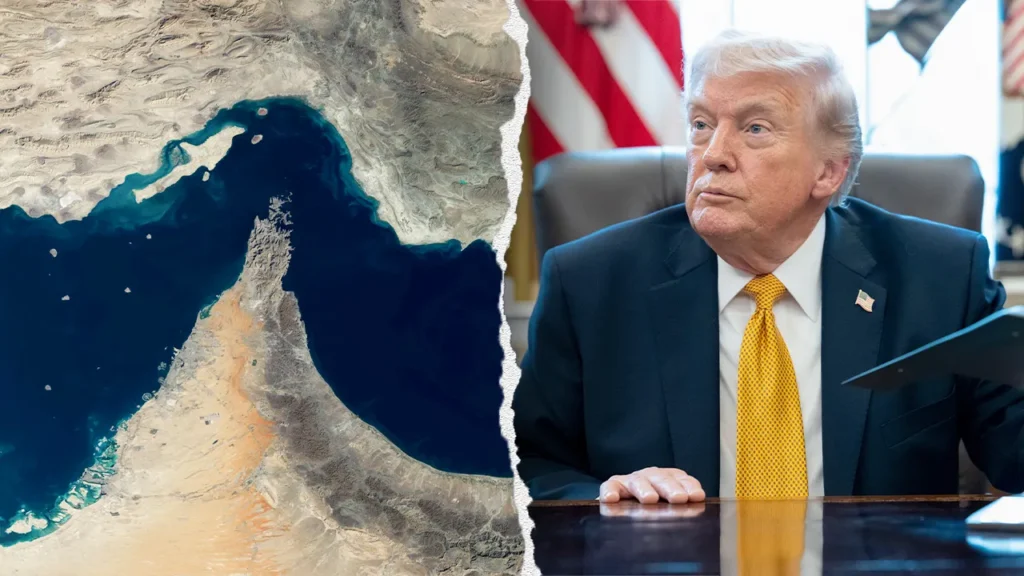
The Strait of Hormuz is one of the most important chokepoints in global trade. It connects the Persian Gulf to the Gulf of Oman and carries about a fifth of the world’s oil shipments. Any disruption there tends to push energy prices higher almost immediately, while raising fears of a wider regional conflict.
Why the Strait of Hormuz Matters
Even small tensions in this narrow waterway can have global consequences.
Saudi Arabia, Iraq, Kuwait, the UAE, and Iran all depend on it to move oil to international markets. That makes it a constant pressure point in Middle East politics.
Beyond energy, the strait also sits at the center of military tensions. The U.S. Fifth Fleet operates nearby to help keep shipping lanes open, while Iran has repeatedly signaled it could disrupt traffic in response to sanctions or military pressure.
Because of this, even the suggestion of a deal in the region tends to move markets quickly.
What’s Reportedly Being Discussed
Details remain unclear, but the reported framework is limited and focused mainly on de-escalation rather than a full political settlement.
Based on what has been referenced so far, the idea includes:
- Iran agreeing not to interfere with commercial shipping in the strait
- Informal “buffer” zones to reduce close encounters near key shipping lanes
- Possible monitoring by an international group to help verify compliance
- Some form of limited economic relief in return
Importantly, this is not being described as a full diplomatic reset or a nuclear agreement. Instead, it appears to be a narrower arrangement aimed at keeping shipping routes open and avoiding direct confrontation at sea.
Market Impact: Why Traders Are Watching Closely
Oil markets are especially sensitive to anything involving the Strait of Hormuz. Even rumors of disruption usually add a risk premium to crude prices.
If a deal is confirmed, that premium could shrink quickly. Traders would likely unwind hedges built around supply fears, and oil prices could ease in the short term.
Shipping costs could also fall. During recent tensions, insurance premiums for tankers passing through the region surged sharply. A de-escalation would likely bring those costs back to normal levels, reducing pressure on global supply chains.
Regional Politics Still Complicated
While a breakthrough would be welcomed by markets, regional reactions are far from guaranteed.
Saudi Arabia and Israel are likely to view any agreement with caution, especially if it does not address broader issues such as Iran’s missile program and regional influence through allied groups.
Inside Iran itself, there are also internal dynamics to consider. Hardline elements tied to the Revolutionary Guard have historically taken a stronger stance on controlling maritime access and may resist outside monitoring or restrictions.
Is This Real Progress or Political Messaging?
At this stage, it’s difficult to separate confirmed negotiation from political signaling. The phrase “largely negotiated” suggests movement, but there is still no publicly verified agreement or signed framework.
There are, however, reasons both to take it seriously and to remain cautious:
On the optimistic side, Iran’s economy is under heavy strain from sanctions, and even partial relief could be attractive. At the same time, the U.S. has little appetite for a costly confrontation that disrupts global energy markets.
On the skeptical side, past efforts to stabilize tensions in the region have often fallen apart at the final stage due to internal politics on both sides. Even if talks are happening, turning them into a durable agreement is a different challenge altogether.
What to Watch Next
Over the next few days, there are a few signals that could show whether this is moving toward something real:
- Movement of oil tankers that had previously slowed or paused in nearby waters
- Any official acknowledgment from Iranian authorities
- Changes in U.S. naval activity or patrol patterns in the region
Each of these could offer clues about whether tensions are genuinely easing.
Bottom Line
Trump’s claim points to a potentially significant diplomatic opening, but for now it remains unconfirmed.
The Strait of Hormuz remains one of the most sensitive arteries in the global economy. Any real agreement to stabilize it would be welcome news for markets and energy security—but until there is concrete proof, it’s best treated as an early signal rather than a settled outcome.
The situation is still developing, and as history has shown, progress in the region rarely moves in a straight line.