Trump Unimpressed by Iran’s ‘War-End’ Offer: Accuses Tehran of Stalling
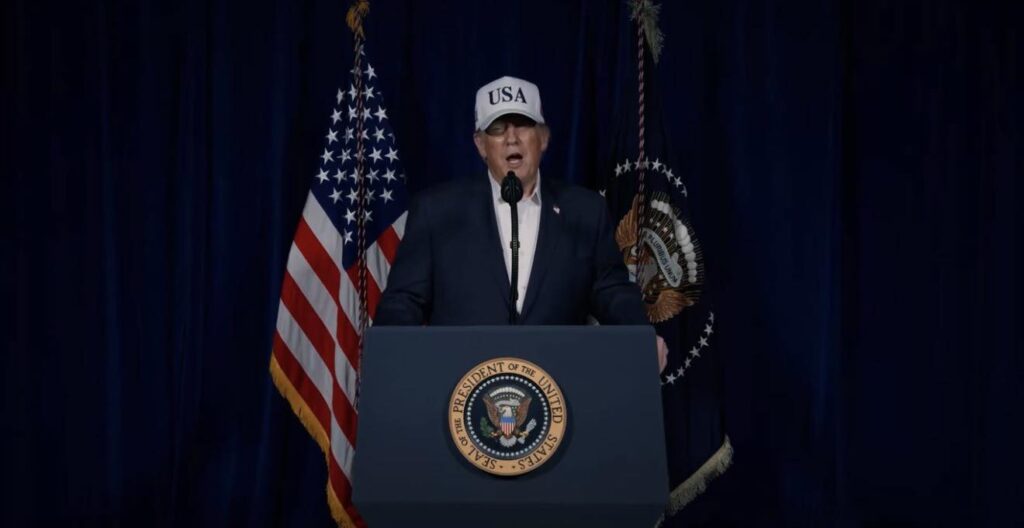
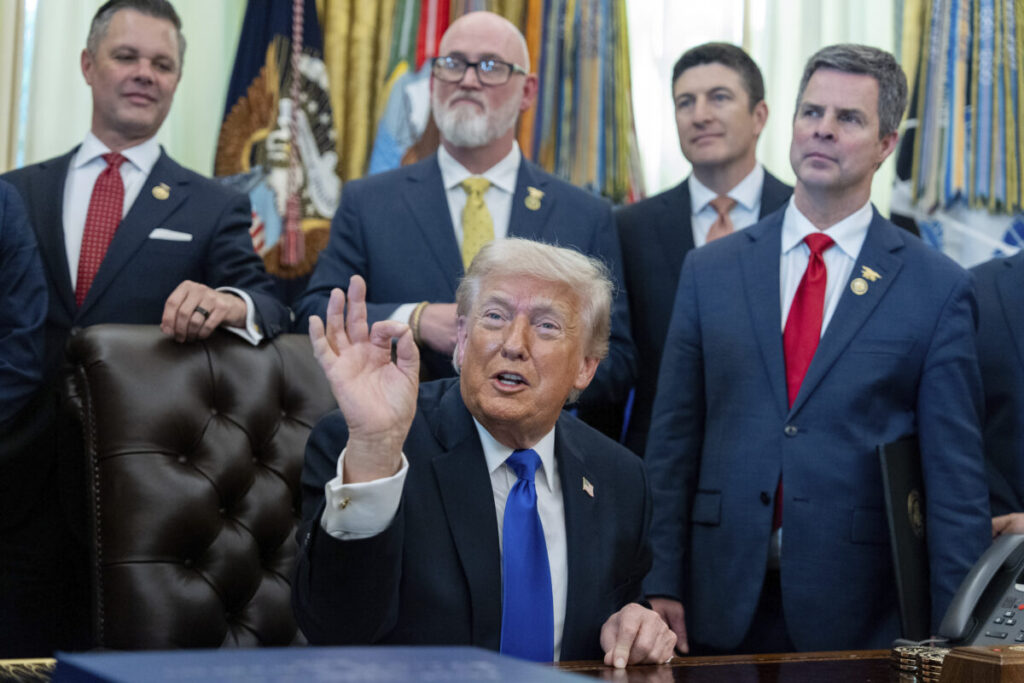
The diplomatic chessboard in the Middle East just saw a bold move—and a swift rejection. Former President Donald Trump has publicly declared he is “not satisfied” with Iran’s latest proposal to end the ongoing conflict. The statement, which landed with the force of a diplomatic grenade, suggests that Tehran’s attempt at a ceasefire framework is being viewed not as a genuine olive branch, but as a calculated delay tactic.
For observers tracking the volatile U.S.-Iran relationship, this is more than a routine diplomatic snub. It signals that the White House (or a potential future Trump administration) is unwilling to accept anything short of substantial concessions. Let’s unpack why this proposal missed the mark, what Trump’s dissatisfaction really means, and what the next moves could look like.
What Was in Iran’s Proposal? The Black Box of Diplomacy
Details of the Iranian framework remain tightly guarded, but credible reports indicate it was pitched as a structured path to de-escalation—potentially including a phased ceasefire, prisoner exchanges, or limits on proxy force activity. However, Trump’s blunt dismissal reveals a fundamental disconnect.
Key sticking points likely include:
- Lack of verifiable dismantlement of Iran’s advanced nuclear capabilities
- No commitment to stop funding proxies such as Hezbollah and Houthi forces
- Vague timetables that could allow Iran to rearm while talks dragged on
- Demands for sanctions relief upfront without corresponding security guarantees
From an expert perspective, this proposal reads less like a peace plan and more like a strategic pause. Iran has historically used negotiation periods to strengthen its regional position, and Trump’s hawkish instincts are finely tuned to smell that kind of maneuver.
Why Trump Called It a “Stalling Tactic”
Trump’s language was precise: he framed the rejection in terms of dissatisfaction rather than listing specific broken clauses. That vagueness is intentional. It leaves Iran guessing about what would truly satisfy the U.S.—and it keeps maximum pressure alive.
Three factors underpin Trump’s skepticism:
- Historical precedent: During his first term, Trump tore up the JCPOA (Iran nuclear deal) precisely because he believed it gave Iran too much room to cheat. He sees any vague proposal as a repeat of that failure.
- Military posture: Iran has been accelerating drone and missile production while enriching uranium near weapons-grade levels. A weak proposal could buy them the weeks or months needed to reach a breakout threshold.
- Political calculus: For Trump, being seen as tough on Iran is a core brand element. Accepting a half-measure deal would contradict his “America First” narrative and risk alienating his base.
In short, the rejection isn’t just about the proposal’s content—it’s about the broader message that Iran cannot be trusted to negotiate honestly under the current power balance.
Where This Leaves the Middle East: Escalation or Realignment?
With the proposal dead on arrival, the region enters a high-stakes waiting game. Several scenarios are now in play:
Scenario A: Iran Returns with a Revised Offer
If Tehran judges that Trump is immovable, they may come back with deeper concessions—perhaps a verifiable halt to centrifuge installation or a freeze on proxy attacks. That would be seen as a win for U.S. pressure. But it would also require Iran to swallow significant domestic political backlash.
Scenario B: The Cycle of Hostility Intensifies
More likely, Iran will double down. Expect increased cyber operations, more assertive naval maneuvers in the Strait of Hormuz, and stepped-up support for militant groups. Trump has already warned of “maximum pressure 2.0,” which could include tighter oil sanctions and further military posturing.
Scenario C: A Third-Party Mediation Effort
Neither side wants a full-scale war, but both are boxed in by rhetoric. Countries like Qatar, Oman, or Saudi Arabia could step in with a bridge proposal—one that offers Iran a face-saving off-ramp while meeting Trump’s demand for verifiable action.
The Expert Take: Why This Rejection Is Actually Smart Strategy
From a geopolitical analysis standpoint, rejecting a weak proposal early is often better than entering drawn-out negotiations that waste leverage. Trump’s team is likely applying a classic bargaining tactic: reject the first offer to reset expectations.
However, there is a risk. If Iran perceives that no proposal will ever be enough, it may opt for brinkmanship—testing U.S. resolve with limited strikes or hostage-taking. The next 30 days will be critical.
Key indicators to watch:
- Any new Iranian statements walking back the proposal
- Shifts in enrichment activity at Natanz and Fordow
- Movement of U.S. naval assets in the Persian Gulf
- Statements from European mediators (France, UK, Germany)
What This Means for Global Energy Markets and Security
The uncertainty is already rippling beyond the region. Oil prices are sensitive to any perceived stall in diplomacy. A prolonged standoff between the U.S. and Iran could:
- Push crude prices higher as traders price in supply disruption risk
- Increase shipping insurance costs in the Gulf
- Strengthen Russia’s position as an alternative energy supplier
- Create openings for China to deepen its economic ties with Iran
For businesses and investors, the message is clear: do not bank on a quick diplomatic resolution. The Trump-Iran dynamic remains one of the most volatile variables in the global order.
Final Verdict: Stalled, but Not Dead
Trump’s rejection of Iran’s proposal is a masterclass in strategic ambiguity. By refusing to detail his objections, he keeps both Tehran and Washington guessing. The proposal itself was likely never meant to end the war—it was a feeler. Iran wanted to see if Trump was desperate for a win; he proved he is not.
The ball is now back in Tehran’s court. Whether they choose to submit a genuinely concessionary offer or escalate the conflict will define the next chapter of this crisis. For now, one thing is certain: the war is not ending soon, and both sides are digging in for a long, hard fight.
Stay tuned—this story is far from over.