Ontario Steel Manufacturer Notified Government Before Public Layoff Announcement
Stelco informed Ontario officials of 350+ job cuts days before announcing them to workers and media.
Stelco layoffs tariffs
Hamilton’s Steel Industry Faces Major Disruption as Tariffs Take Their Toll
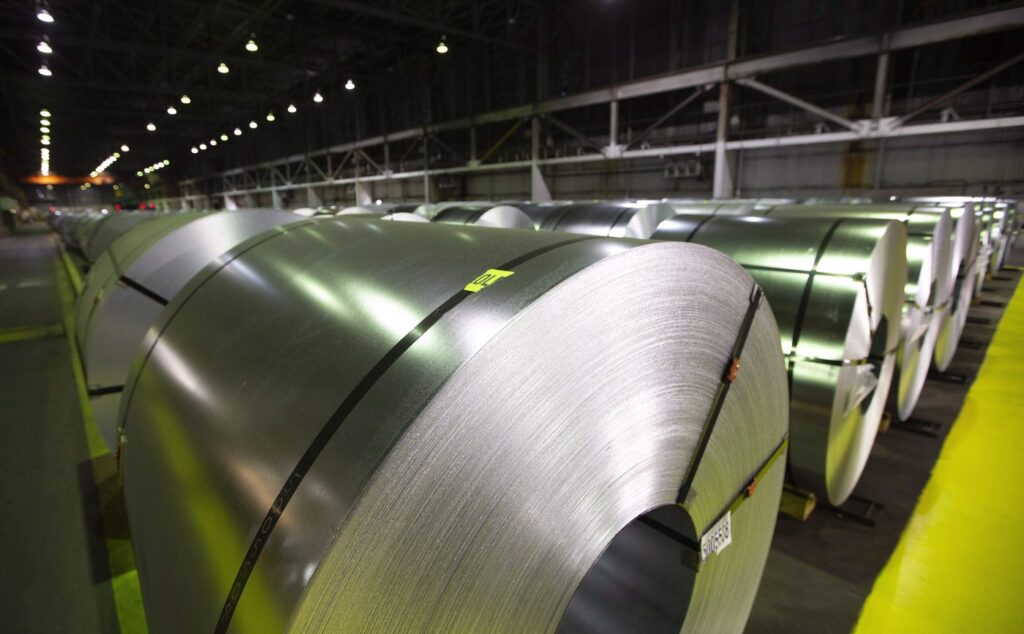
On Monday, Stelco announced it would lay off more than 350 employees at its Hamilton facility, with the company planning to indefinitely idle production at the plant in the coming weeks. The announcement rippled through Ontario’s industrial heartland, affecting workers who depend on steel manufacturing jobs. But what many workers and the public didn’t know was that Ontario’s government had already heard about the cuts days before the official announcement.
Stelco, which is owned by Cleveland-Cliffs Inc., a U.S.-based steel producer, gave the Ford government advance notice of the pending layoffs. Ontario’s Minister of Economic Development Vic Fedeli confirmed this private heads-up to Global News, revealing a pattern of corporate communication with government that happens behind closed doors.
When Government Gets the News First
Fedeli explained that Stelco informed the government “quite recently” of the planned reductions. When pressed for specifics, he indicated the conversation took place “within days” of the public announcement. However, he was careful to note that “nothing was definitive” until the union and employees were formally told by the company.
This isn’t unusual in Ontario. Large-scale job losses routinely trigger conversations between corporations and government officials before workers get the same information. What makes the Stelco situation notable is that it marks the third tariff-related layoff in recent months where the Ford government received advance warning.
In summer 2025, Crown Royal maker Diageo reached out to Ford’s office one day before revealing plans to shut down its bottling facility in Amherstburg, Ontario. Later that same year, Algoma Steel informed the government in advance that it planned to cut roughly 1,000 positions due to the tariff situation before workers learned of the cuts.
Government Intervention: Loans, Phone Calls, and Strategic Silence
In those earlier cases, the Ford government attempted to step in. Premier Doug Ford personally called the head of Diageo Canada to discuss whether the plant could remain open. Algoma Steel received a $100 million taxpayer-funded loan to reduce the scale of the staffing cuts.
With Stelco, the situation appears different. Fedeli declined to specify what—if anything—the government offered to prevent the layoffs. He also wouldn’t confirm whether the manufacturer applied for a government temporary funding program that might have helped keep the mill operating.
When asked directly why Stelco wasn’t interested in additional funding to keep operations running, Fedeli said the government doesn’t disclose details about discussions with individual companies. “We don’t speak about the specifics of who got what and where, other than when they’re announced,” he stated.
Understanding the Real Driver Behind the Cuts
According to the United Steelworkers Local 1005, which represents workers at the Hamilton plant, the company cited U.S. tariffs on steel combined with the lack of imported steel from other countries as the reason for the layoffs. This dual pressure—tariff costs rising while imported competition diminishes—created a difficult environment for the facility.
The union’s local president Ron Wells described the situation in stark terms. “It’s extremely devastating,” he told reporters, capturing the reality that 350-plus jobs represent hundreds of families affected by the decision.
Stelco did offer a potential path forward for some affected workers: relocation to a nearby steel mill in Nanticoke. However, not all employees may have the option or willingness to make that move, particularly those with established roots, family commitments, or other employment opportunities in the Hamilton area.
A Pattern of Private Talks Before Public Shock
The advance notification system raises questions about fairness and timing. Workers typically learn about their job losses from news reports or company announcements at the same time the general public does. Government officials, however, get the information days or weeks ahead of time.
This timing advantage allows government to prepare talking points, consider intervention options, and plan public messaging. For workers, the first indication often comes as a shock, with little time to adjust mentally or begin exploring alternatives before facing the public spotlight.
Ontario’s pattern of receiving these notices is documented: Diageo in summer 2025, Algoma later that year, and now Stelco in fall 2026. Each represents a significant job loss tied to trade conditions, and each involved prior government notification.
The Broader Context of Trade and Manufacturing
The tariff environment affecting Stelco extends beyond one company or one facility. Ontario’s steel, aluminum, copper, and lumber sectors all face similar pressures from U.S. trade policies. Fedeli noted that the government has been working with companies across these industries to explain available support programs.
However, the effectiveness of those programs remains unclear when manufacturers like Stelco proceed with layoffs despite government support options being on the table. This suggests that either the financial assistance available isn’t sufficient to offset tariff impacts, or that companies have made strategic decisions that outweigh government incentives.
What Happens Next for Affected Workers
Workers who refuse the relocation offer to Nanticoke will need to explore other options, which may include severance packages, retraining programs, or pivoting to different industries. Ontario’s government typically makes employment assistance available during layoffs, though the specifics and adequacy of such programs vary.
The indefinite idling of production at the Hamilton facility leaves open the possibility of eventual restart, though history suggests that once major industrial facilities shut down, permanent closure often follows. The skills developed by steelworkers don’t always transfer easily to other sectors, making this transition period particularly challenging for affected employees.
For Ontario’s industrial strategy, the Stelco announcement underscores the vulnerability of heavy manufacturing to external trade shocks. The advance warning given to government suggests awareness of these vulnerabilities at the corporate level, yet it has not translated into interventions that prevent the job losses from occurring.