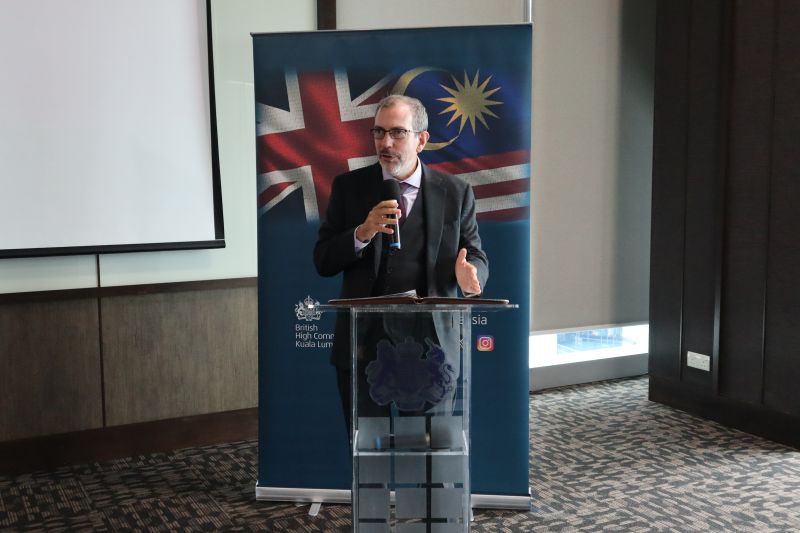
UK and Malaysia Forge Stronger Ties with New Transnational Education Guide
The longstanding and dynamic educational partnership between the United Kingdom and Malaysia has entered an exciting new chapter. In a significant move to deepen collaboration, the UK government has officially launched a comprehensive handbook designed to catalyse the growth of Transnational Education (TNE) between the two nations. This strategic initiative underscores a shared commitment to fostering world-class educational opportunities, driving innovation, and building a robust pipeline of future talent for the global economy.
For decades, the UK has been a premier destination for Malaysian students seeking a high-quality international education. This new guide moves beyond the traditional student mobility model, focusing instead on bringing British educational excellence directly to learners in Malaysia. It represents a forward-thinking approach to international cooperation, one that promises mutual benefits and a more interconnected academic landscape.
What is Transnational Education (TNE) and Why Does It Matter?
Before delving into the handbook’s specifics, it’s crucial to understand the transformative power of TNE. In essence, Transnational Education refers to the delivery of UK higher education programmes to students located in a country other than the UK. This can take various innovative forms, including:
- Branch Campuses: A UK university establishing a physical campus in Malaysia.
- Dual/Double Degrees: Collaborative programmes where students earn qualifications from both a UK and a Malaysian institution.
- Articulation Programmes: Pathways where students begin studies in Malaysia and complete their degree in the UK.
- Distance & Online Learning: UK-accredited degrees delivered remotely to students in Malaysia.
- Franchise Agreements: Where a Malaysian partner delivers a UK-designed curriculum and awards the UK qualification.
This model matters because it democratises access to world-leading education. It allows students to gain a prestigious UK qualification without necessarily relocating, often at a lower cost. For host countries like Malaysia, it builds domestic capacity, upskills the local workforce, and retains intellectual capital. For the UK, it strengthens global influence, fosters research partnerships, and builds enduring international links.
Inside the UK-Malaysia TNE Handbook: A Blueprint for Collaboration
The newly launched handbook is not merely a pamphlet; it is a detailed, practical blueprint for educational institutions in both countries. Developed by the UK’s Department for Business and Trade in close consultation with sector experts, its primary goal is to simplify and encourage the establishment of successful TNE partnerships.
Key Features and Guidance Offered
The document serves as a one-stop resource, addressing the most common questions and hurdles institutions face. Its core sections likely include:
1. The Malaysian Education Landscape: A thorough analysis of Malaysia’s regulatory framework, quality assurance agencies (like the Malaysian Qualifications Agency), and current higher education trends. This gives UK institutions the critical context needed to navigate the market effectively.
2. Partnership Models Explained: A clear breakdown of the various TNE models available, outlining the legal, operational, and academic considerations for each. This helps institutions choose the most suitable structure for their goals.
3. Step-by-Step Establishment Guide: From initial market research and partner identification to navigating approval processes and securing necessary licenses, the handbook provides a phased roadmap to launch a TNE programme.
4. Case Studies of Success: Highlighting existing flourishing partnerships between UK and Malaysian universities. These real-world examples offer invaluable insights and prove the tangible benefits of such collaborations.
5. Support and Resources: Directing institutions to sources of further support from both British and Malaysian government bodies, ensuring they are never navigating the process alone.
Strategic Benefits for Both Nations
The launch of this handbook is a strategic win-win, with profound long-term benefits for both the UK and Malaysia.
For Malaysia:
- Enhanced Educational Capacity: TNE partnerships directly contribute to upskilling the national workforce, aligning graduate outcomes with the needs of key industries under initiatives like the Malaysia Education Blueprint.
- Increased Access and Choice: Malaysian students gain more affordable pathways to internationally recognised qualifications, increasing social mobility and educational diversity.
- Economic and Research Growth: Collaborations often extend beyond teaching into joint research ventures, innovation hubs, and knowledge transfer, fuelling economic development.
For the United Kingdom:
- Global Education Leadership: This initiative solidifies the UK’s position as a flexible, outward-looking global education leader, adapting to the evolving demands of international students.
- Strengthened Bilateral Ties: Education is a cornerstone of soft power. Deepening educational links fosters stronger diplomatic, cultural, and trade relationships with a key ASEAN partner.
- Sustainable Internationalisation: TNE offers a sustainable model for growth that complements traditional student mobility, making the UK education sector more resilient and diverse.
The Future of UK-Malaysia Educational Partnership
The publication of this TNE handbook is a clear signal of intent. It moves the relationship from one primarily based on student flow to a more mature, integrated, and strategic partnership. It acknowledges Malaysia’s own strengths as an emerging regional education hub and seeks a collaborative, rather than a purely transactional, relationship.
Looking ahead, we can expect to see:
- A significant increase in the number and diversity of UK-Malaysia TNE programmes.
- Innovation in delivery, leveraging digital technology to create hybrid learning experiences.
- Stronger research networks tackling global challenges, from sustainable engineering to public health.
- A generation of graduates equipped with a truly international perspective, driving progress in both nations.
In conclusion, the launch of the UK-Malaysia Transnational Education handbook is far more than an administrative guide. It is a catalyst for a deeper, more impactful alliance. By providing the clarity and confidence needed for institutions to collaborate, the UK and Malaysia are not just sharing education—they are co-creating the future of learning and building a powerful bridge of knowledge and opportunity that will benefit students, economies, and societies for decades to come. This proactive step ensures that the historic educational bond between the two countries will continue to thrive and innovate in an increasingly interconnected world.